
Controller Selection Guide
How to Select the Right BLDC Motor Drive Controller
Match the BLDC controller to the motor, application, load and control requirements—not wattage alone.
Step 1 / Application First
What Equipment Does the Motor Drive?
Begin with the application. Similar-power motors may need different startup, load and control strategies.
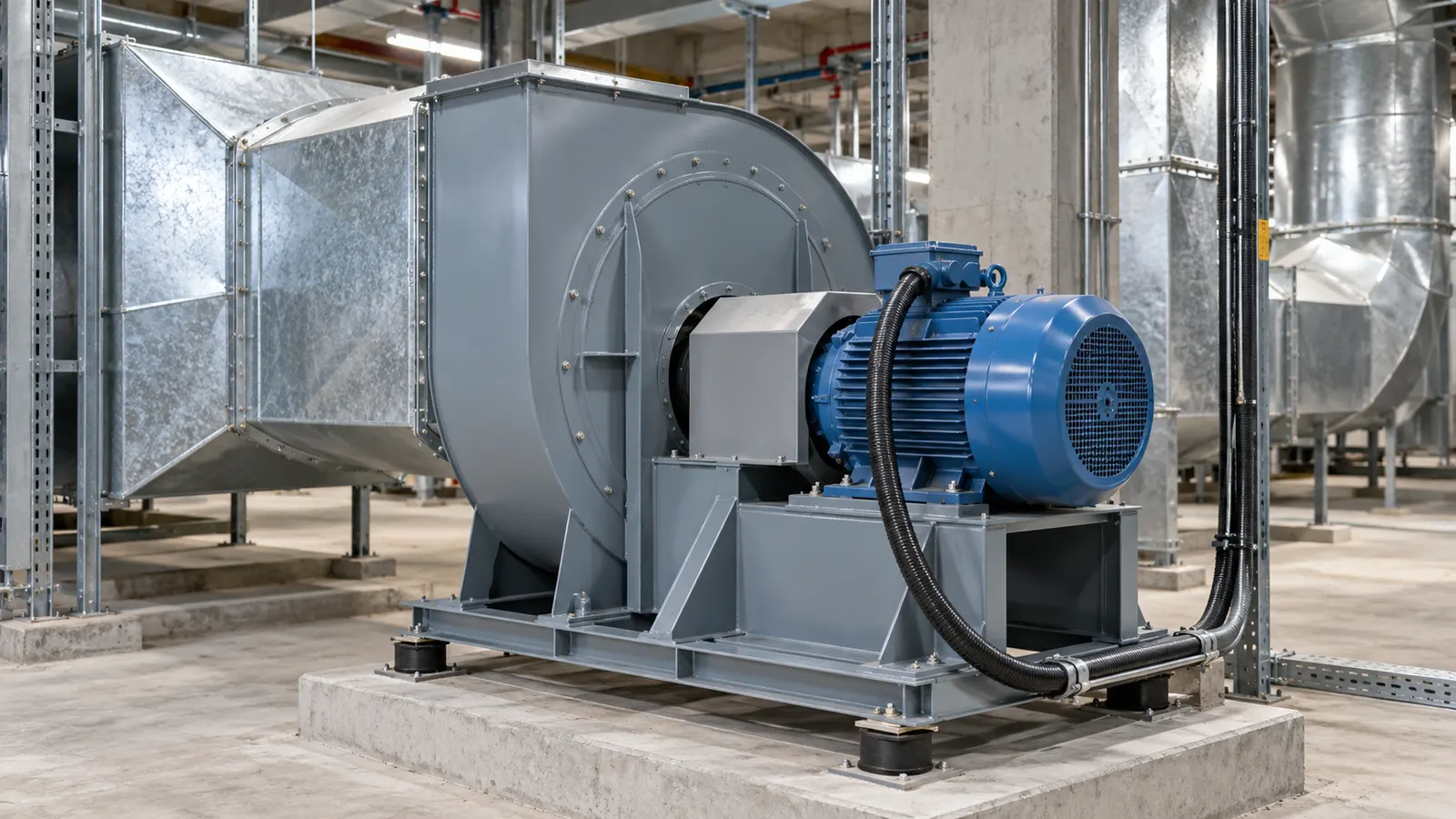
Ventilation Equipment
0.18–5.5 kWAxial, negative-pressure and centrifugal fans for industrial, commercial and agricultural ventilation.

Cooling Fan Applications
15–220 WThermal-management fans for storage, PV, charging, UPS, data-center and communication equipment.
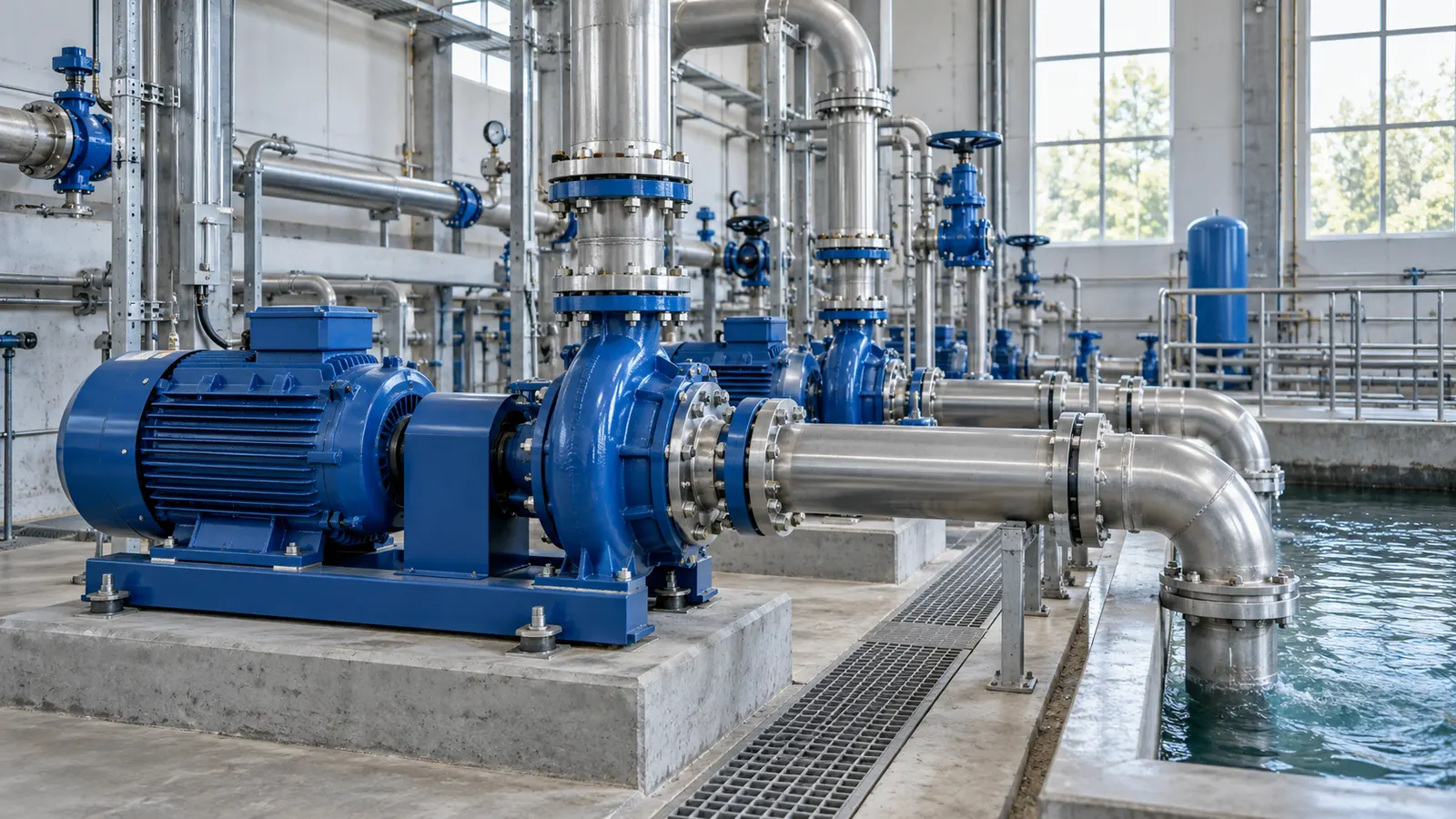
Water Pump Applications
20–1,000 WIndustrial cooling, circulation, irrigation, drainage, aquaculture and landscape water systems.
Step 2 / Motor Data
The Motor Datasheet Is the Best Place to Start
Review the motor datasheet to confirm electrical compatibility and narrow down controller options.
Motor Type
Confirm that the motor is a three-phase BLDC type.
Rated Voltage
Provide the motor's rated voltage and equipment power-system requirements.
Rated Power
Rated power helps identify the appropriate controller family and power stage.
Rated Current
Rated current affects controller loading, power-stage design and heat dissipation.
Rated Speed
Provide rated RPM and, for variable-speed applications, minimum, normal and maximum required RPM.
Torque Requirements
Torque can be important during startup, load changes, fan acceleration, pump startup and higher-load operation.
Step 3 / Control Requirements
The Same Motor Can Require Different Control Strategies
Motor ratings alone do not define operation. The controller must also match the equipment’s control logic.
Speed Requirements
Fixed, multi-stage, variable or system-controlled speed.
Startup Requirements
Match startup load and acceleration to the fan or pump.
Operating Mode
Continuous, intermittent, temperature- or load-based operation.
Control Method
Confirm how the equipment commands the selected controller model.
Communication
Provide interface requirements when the controller needs to exchange information with the equipment's main control system.
Protection & Noise
Protection requirements should be confirmed by project. Acoustic requirements can also affect controller tuning.

Step 4 / Application Conditions
A Controller Must Work Inside the Actual Equipment
A controller must work inside the actual equipment—not just on a test bench. Check installation, cooling and operating conditions.
Operating Temperature
Specify expected motor and controller operating temperatures.
Installation Space
PCB size, mounting limits, connectors and wiring direction.
Cooling Conditions
Describe how the installed controller dissipates heat.
Equipment Enclosure
Enclosure layout and available airflow affect cooling.
Duty Cycle & Load
Long-duration and intermittent operation can create different thermal requirements.
System Architecture
Consider the main control board, sensors, other electronics, power system and user control system.
Step 5 / Standard vs Custom
Determine How Much Adaptation Your Project Requires
Compare your requirements with an existing platform, then identify where custom engineering may be needed.
When an Existing Platform May Be Suitable
A standard controller platform may be suitable when the motor, electrical, mechanical and control requirements fit an existing solution.
Motor specifications fit an existing controller range.
Power requirements are compatible with the platform.
Existing controller dimensions can be integrated into the equipment.
Existing control functions and structure fit the project.
When Custom Engineering May Be Required
Customization can be evaluated when electrical, control, mechanical, thermal or communication requirements differ from an existing platform.
Voltage, current, motor characteristics or power configuration are different.
Special operating logic, speed control, functions or protection requirements are needed.
PCB space, board shape, connector position or wiring requirements differ.
Installation, airflow, heat dissipation or system interfaces need adaptation.
Final Selection
Send Us the Right Information for Faster Evaluation
Confirm which technical details are available before engineering review. This checklist organizes information; it does not determine compatibility.
Motor Information
Application Information
Control Information
Mechanical & Environmental
Review Application
Identify what equipment the motor needs to drive.
Review Motor Data
Evaluate available voltage, power, current, speed and motor information.
Review Operation
Assess load, duty cycle, control and environmental conditions.
Match a Platform
Evaluate an existing controller platform where possible.
Identify Customization
Review hardware or software adaptation when required.
Prototype / Sample
Where applicable, evaluate samples with the target motor and equipment.
Move Toward Production
Confirm the solution before standardized manufacturing, testing and quality control.
Need Help Selecting a Controller?
Get a Controller Recommendation
Founded in 2015, VIREOMOTOR develops three-phase BLDC motor drive controllers. Its 200+ employees, including 5+ senior R&D engineers, support hardware, software, customization and production.