
VIREOMOTOR R&D
Engineering BLDC Drive Control From Hardware to Application
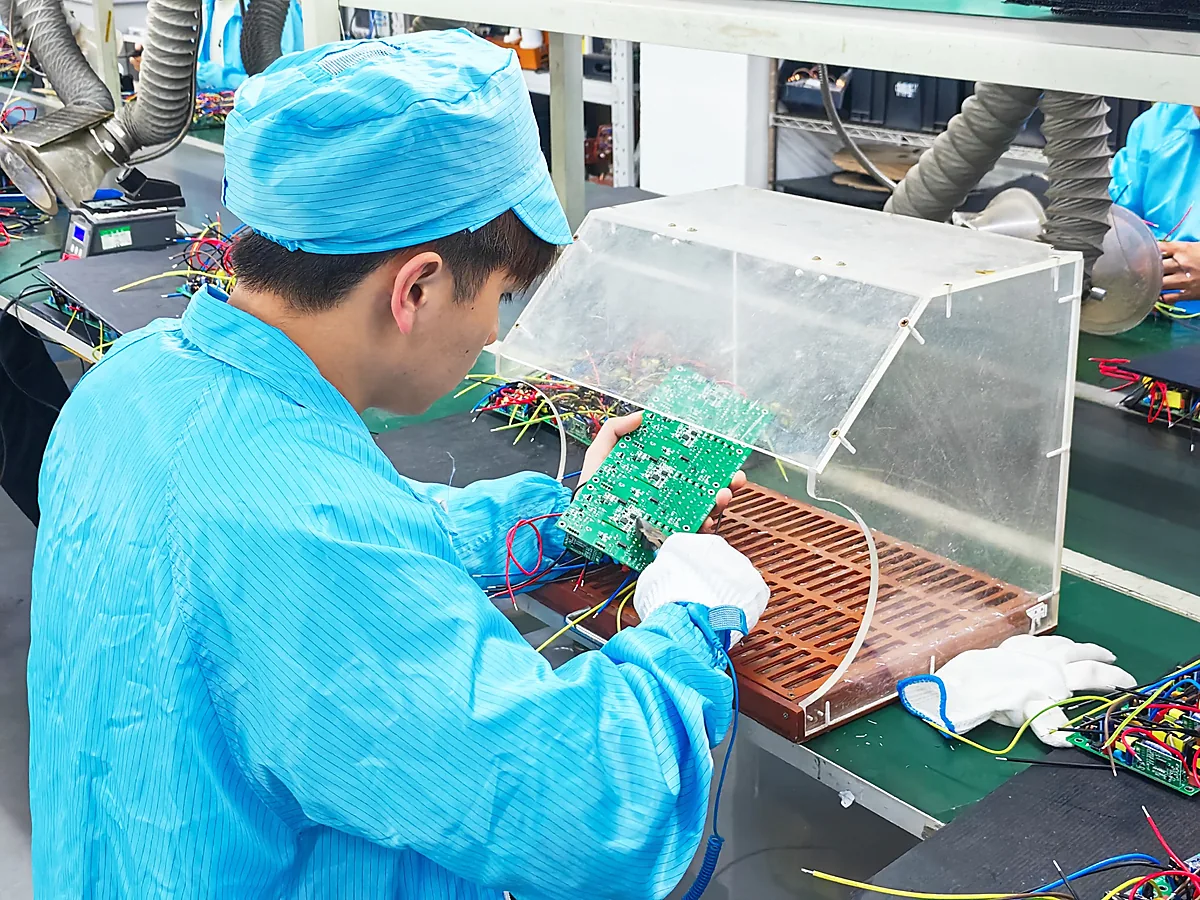
VIREOMOTOR develops three-phase BLDC drive controllers for ventilation equipment, cooling fans, water pumps and other motor-driven systems. Our R&D team covers hardware, software, motor matching, customization, prototyping and production transfer.
Engineering Capability
More Than Motor Control — System-Level Engineering
Selecting a BLDC controller involves more than voltage and power. Motor characteristics, startup, speed, load, temperature, installation and communication all influence performance.
Hardware Development
- Input voltage configuration
- Power-stage design
- Current requirements
- PCB architecture and board dimensions
- Component selection
- Connector configuration
- Protection circuits
- Thermal-management considerations
Software Development
- Motor startup control
- Speed regulation
- Operating logic
- Control methods
- Signal processing
- Protection strategies
- Application-specific functions
- Communication interfaces
Application Engineering
- Motor parameters
- Mechanical load
- Equipment architecture
- Operating environment
- Cooling conditions
- Installation space
- Duty cycle
- Control-system requirements
Engineering Process
From Motor Data to a Practical Drive Solution
We start with the motor, application and operating conditions, then evaluate the right controller platform or customization approach.
Understand the Application
Review equipment type, required speed, load, working environment, duty cycle and system controls.
Review Motor Parameters
Evaluate rated voltage, power, current, speed, torque requirements and motor characteristics.
Evaluate the Platform
Determine whether an existing controller platform fits or customization is required.
Configure Hardware & Software
Adapt electrical architecture, control logic and application functions to the project.
Evaluate Performance
Review controller operation together with the motor and intended application where applicable.
Optimize Parameters
Adjust control parameters and functions according to evaluation results.
Prepare for Production
Transfer the approved configuration into production and quality control.
Real Applications
Different Equipment Requires Different Control Strategies
Ventilation fans, cooling fans and water pumps have different load and control needs. We adapt drive-controller solutions to each application.
Ventilation Equipment
Axial, negative-pressure and centrifugal fans in industrial or agricultural ventilation.
- Speed regulation
- Variable-load operation
- Startup characteristics
- Noise control
- Energy efficiency
- Protection functions
Cooling Fans
Cooling applications in energy storage, solar, EV charging, UPS, communication and power electronics.
- Compact controller design
- Accurate speed regulation
- Continuous operation
- Low-noise control
- Thermal-management integration
- Equipment communication
Water Pumps
Industrial cooling, irrigation, drainage, aquaculture, circulation and landscape systems.
- Stable pump operation
- Speed-control requirements
- Load characteristics
- Protection functions
- Energy efficiency
- System integration
OEM / ODM R&D Support
When Standard Controllers Do Not Fit the Application
Some motors or equipment require tailored control hardware, software or integration. Our R&D team evaluates OEM/ODM requirements and supports custom development.
Start a Custom Controller ProjectElectrical Customization
Voltage, power, current, motor parameters and torque requirements.
Control Customization
Speed-control method, operating logic, signals, protection and application-specific software.
Structural Customization
PCB structure, dimensions, connectors, wiring and installation requirements.
Thermal Customization
Cooling conditions, heat-dissipation strategy and operating-temperature considerations.
Communication Customization
Communication interfaces, equipment controls and system-integration functions.
Requirements First
Customization begins with technical requirements rather than a pre-defined product package.
Engineering Validation
A Controller Design Must Be Reproducible in Production
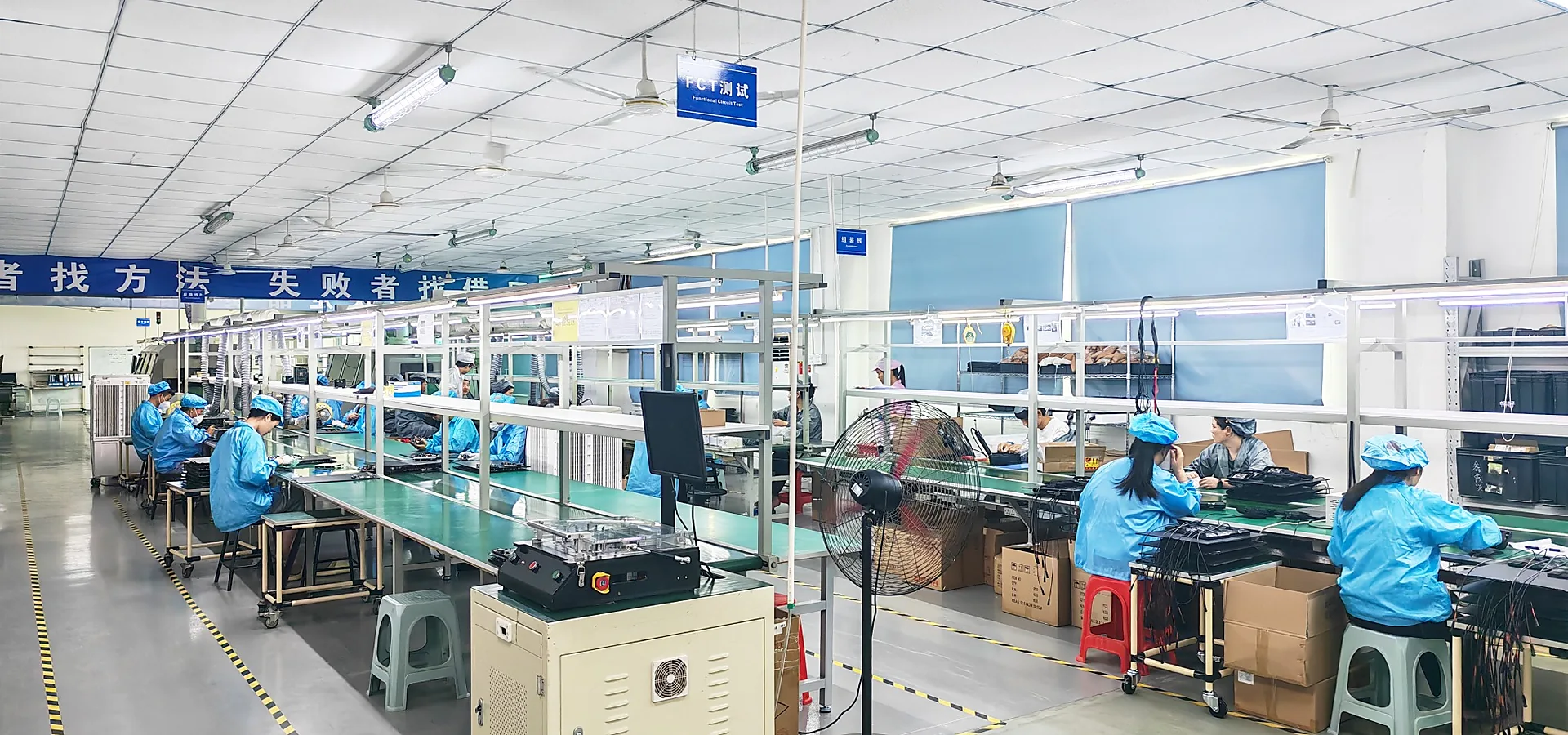
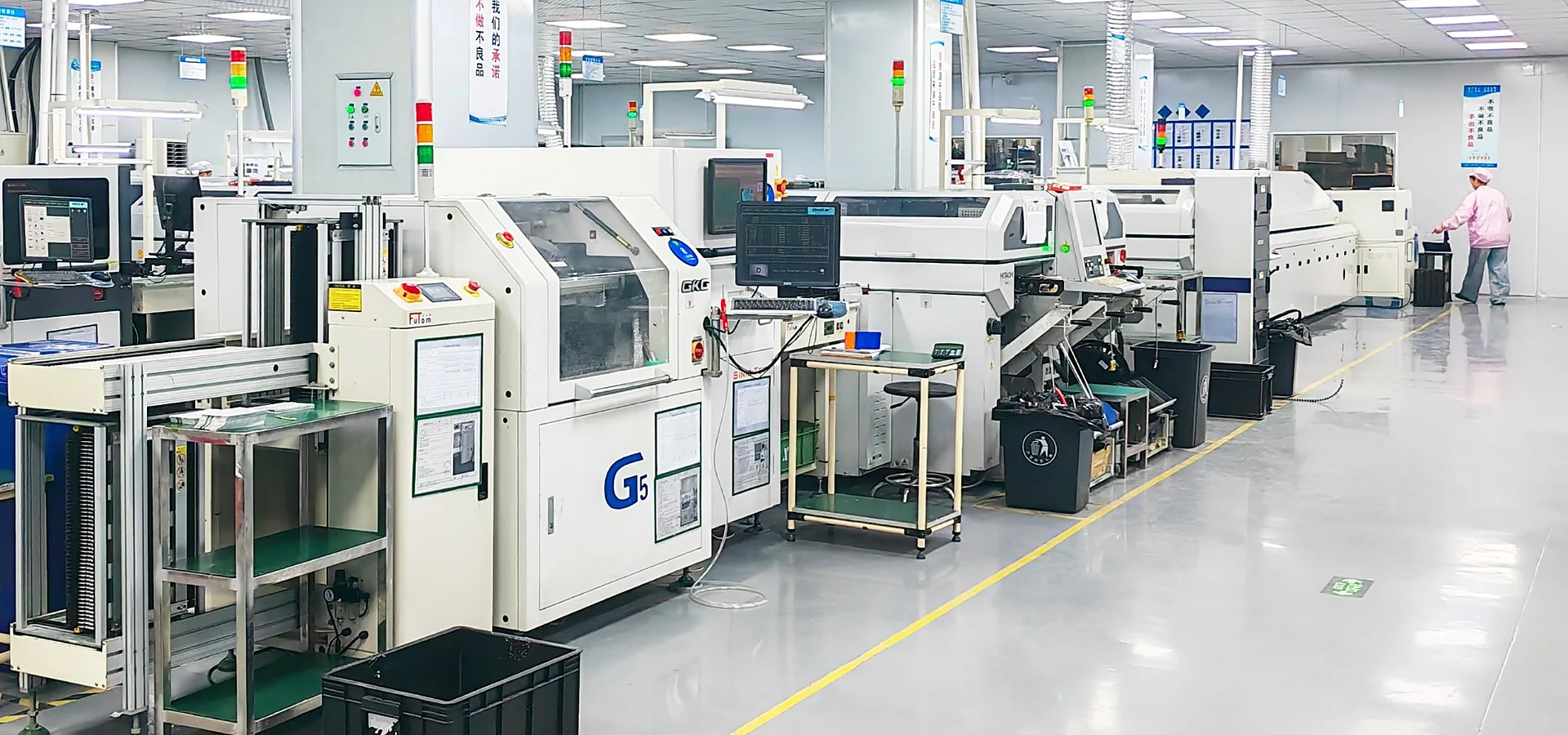
A confirmed controller design must also be repeatable in manufacturing. We align engineering, functional testing and quality control before production.
Design Transfer
Transfer confirmed design requirements into production.
Product Consistency
Prepare verified configurations for repeatable production.
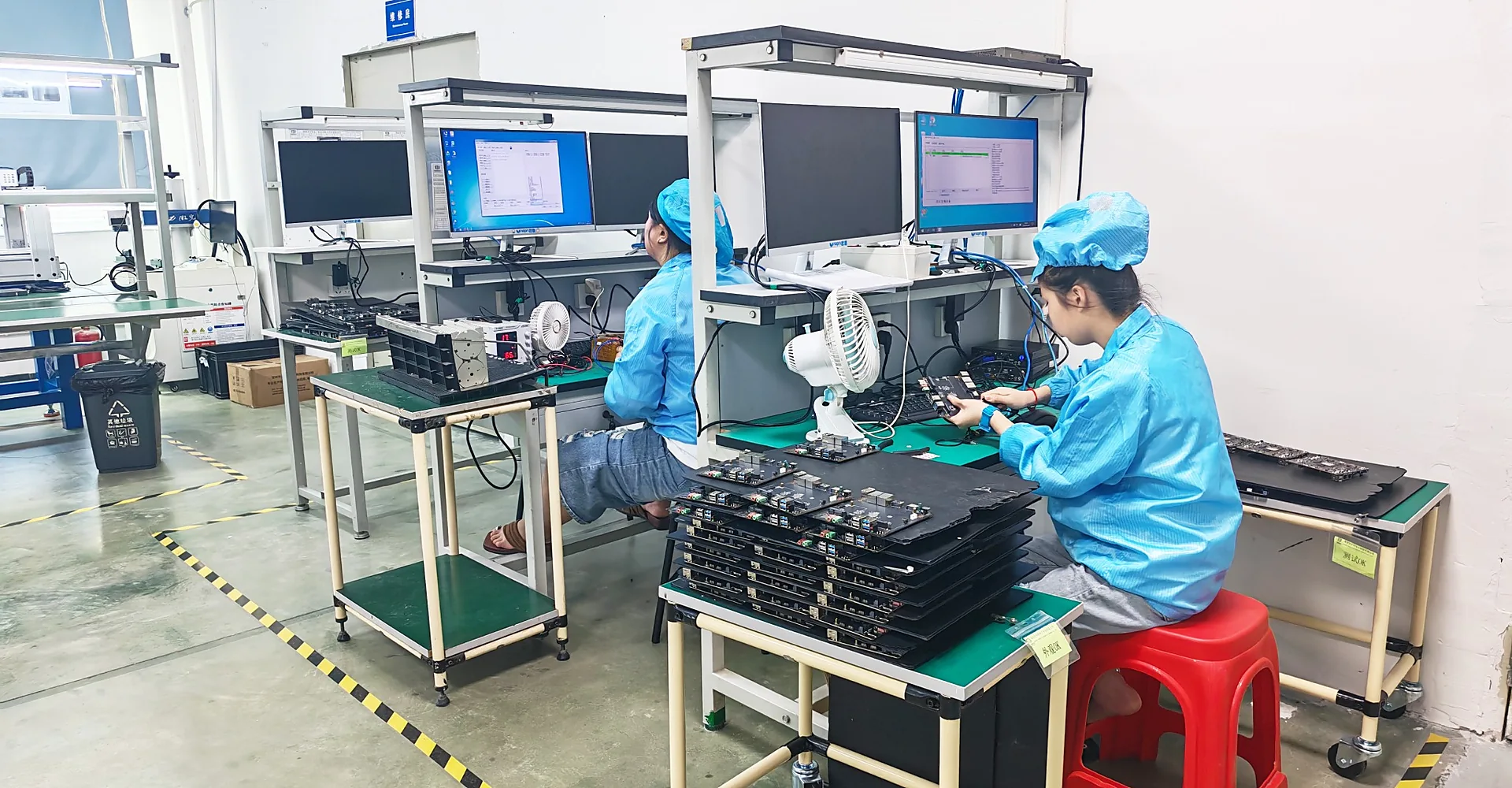
Testing Requirements
Define functional and electrical validation checks.
Technical Problem Analysis
Analyze issues and refine the design as needed.
Engineer-to-Engineer Support
Bring Us Your Motor. Tell Us What It Needs to Do.
Share your motor specifications and operating requirements. Our engineers will assess an existing controller platform or a customized solution.