
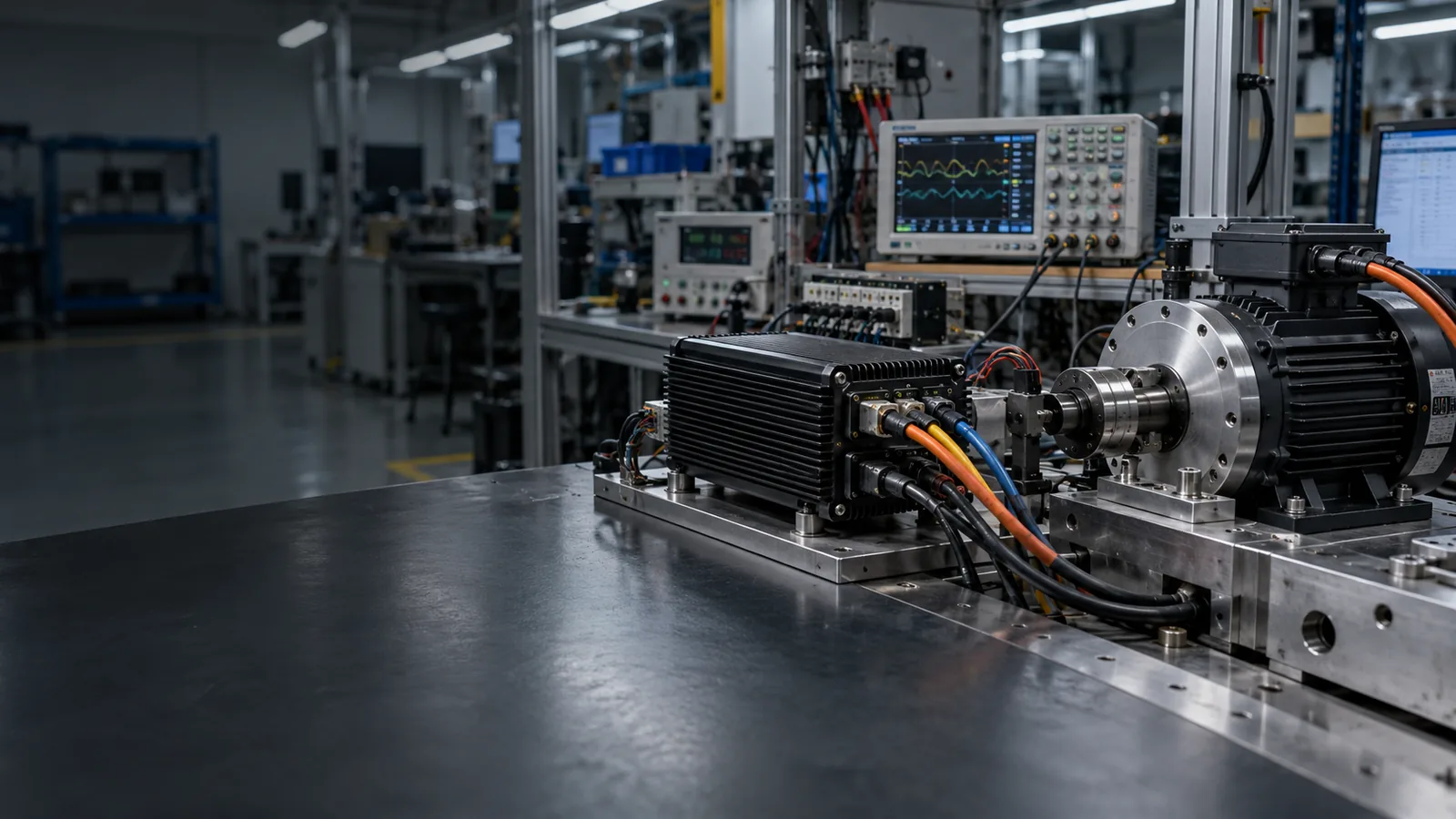
Production Quality Control
Keep Production Controllers Aligned With the Approved Design
A controller that performs correctly during engineering validation must continue to perform consistently when it moves into production. VIREOMOTOR uses standardized manufacturing, testing and quality-control processes to help maintain alignment between the approved engineering configuration and manufactured BLDC motor drive controllers.
Design to Production
A Validated Prototype Is Only the Beginning
Engineering validation confirms that a controller configuration can meet the project requirements. Production testing helps confirm that manufactured controllers continue to follow that approved configuration.
Hardware Must Remain Consistent
Production units should follow the confirmed PCB, component, connector and product structure requirements.
Software Must Be Correct
Where software forms part of the controller configuration, production units need the correct project version.
Parameters Must Match
Application-specific motor-control parameters may need to remain consistent with the approved engineering configuration.
Functions Must Operate Correctly
Production units should perform the intended controller functions defined for the product or project.
Electrical Behavior Must Be Checked
Electrical operating characteristics should remain aligned with the confirmed specification.
Issues Should Be Identified Before Shipment
Testing and inspection provide an opportunity to identify production-related issues before products leave the factory.
Production Checks
Test What Matters to the Confirmed Controller Configuration
The exact test scope depends on the controller model and project requirements. VIREOMOTOR can incorporate several verification areas into production testing.
Product Configuration
Before functional evaluation, the controller should match the required project configuration.
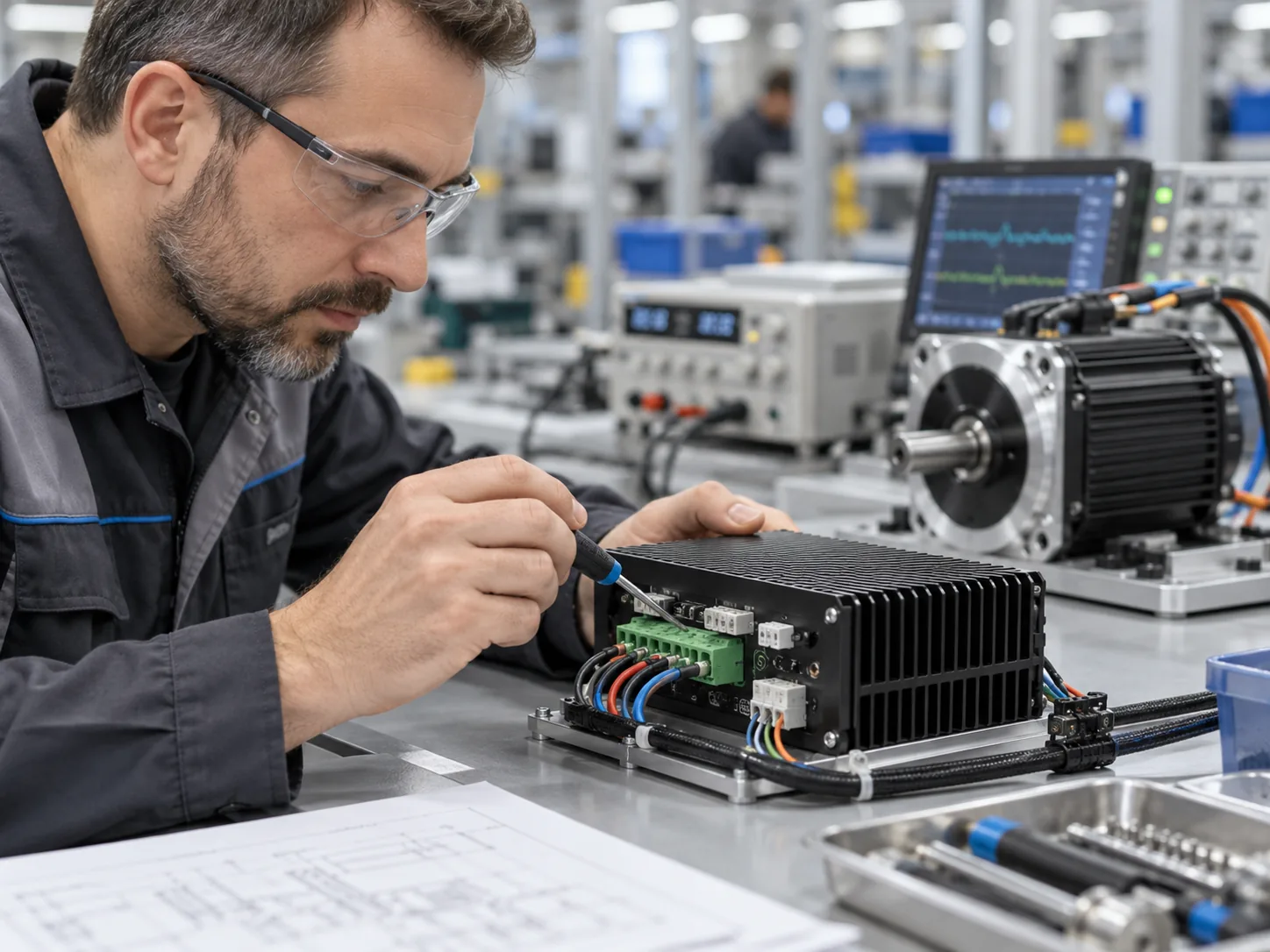
Hardware Verification
Production checks can consider whether the assembled controller follows the confirmed hardware design.
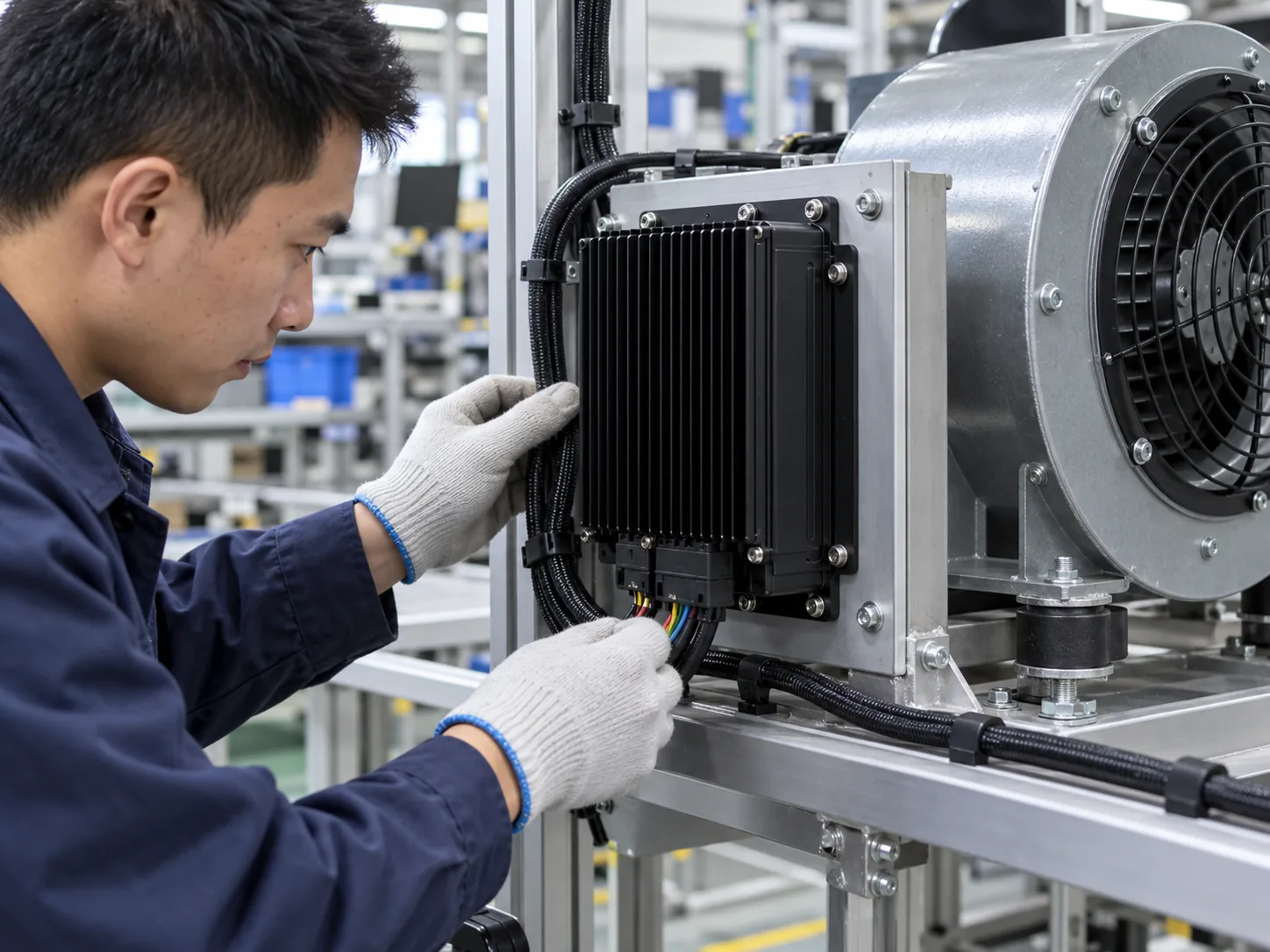
Software & Motor-Control Parameters
Where applicable, the correct software configuration and project-specific parameters can be confirmed against the approved configuration.
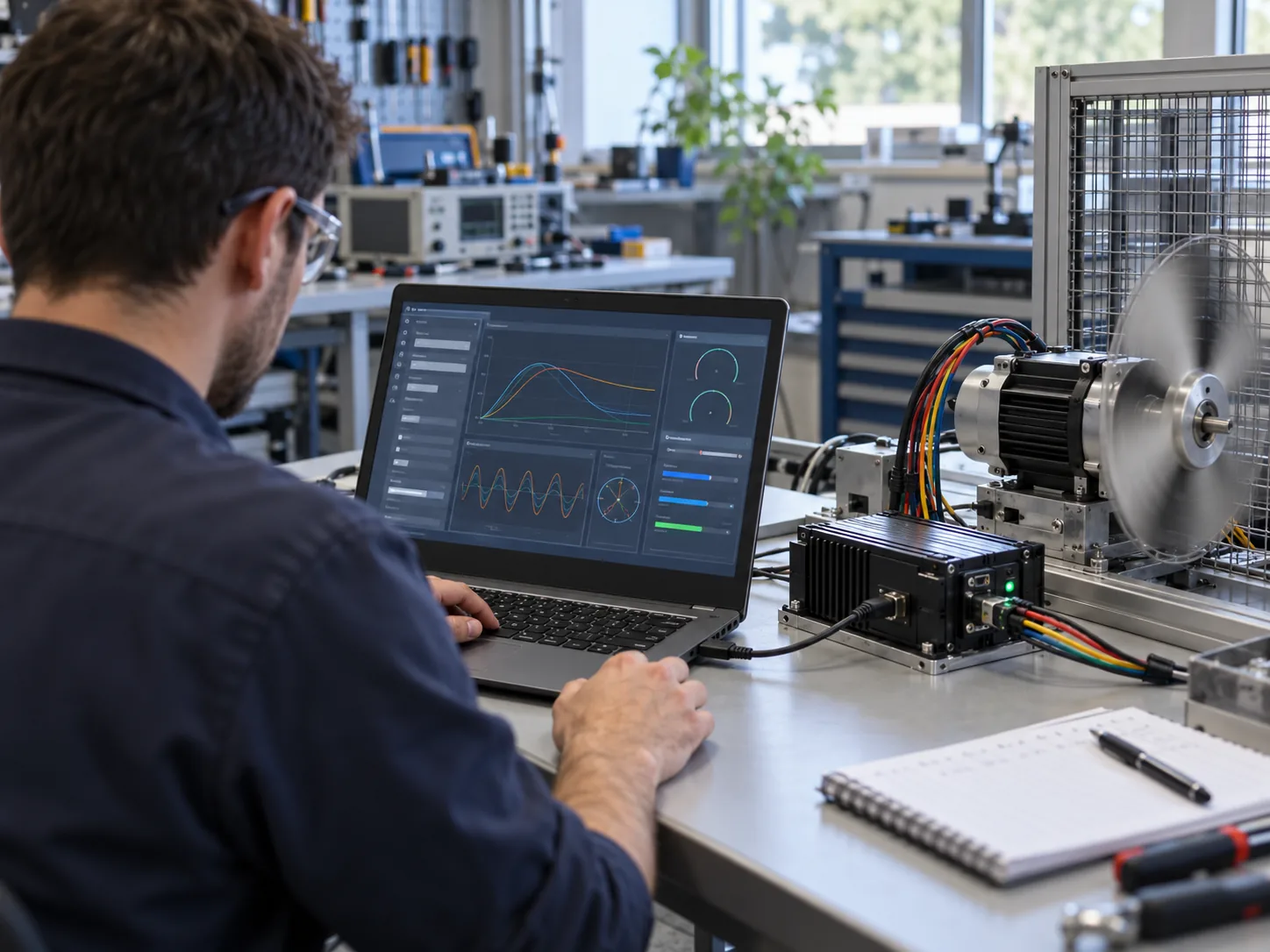
Functional Operation
The controller can be checked for the intended operating functions defined for the product or project.
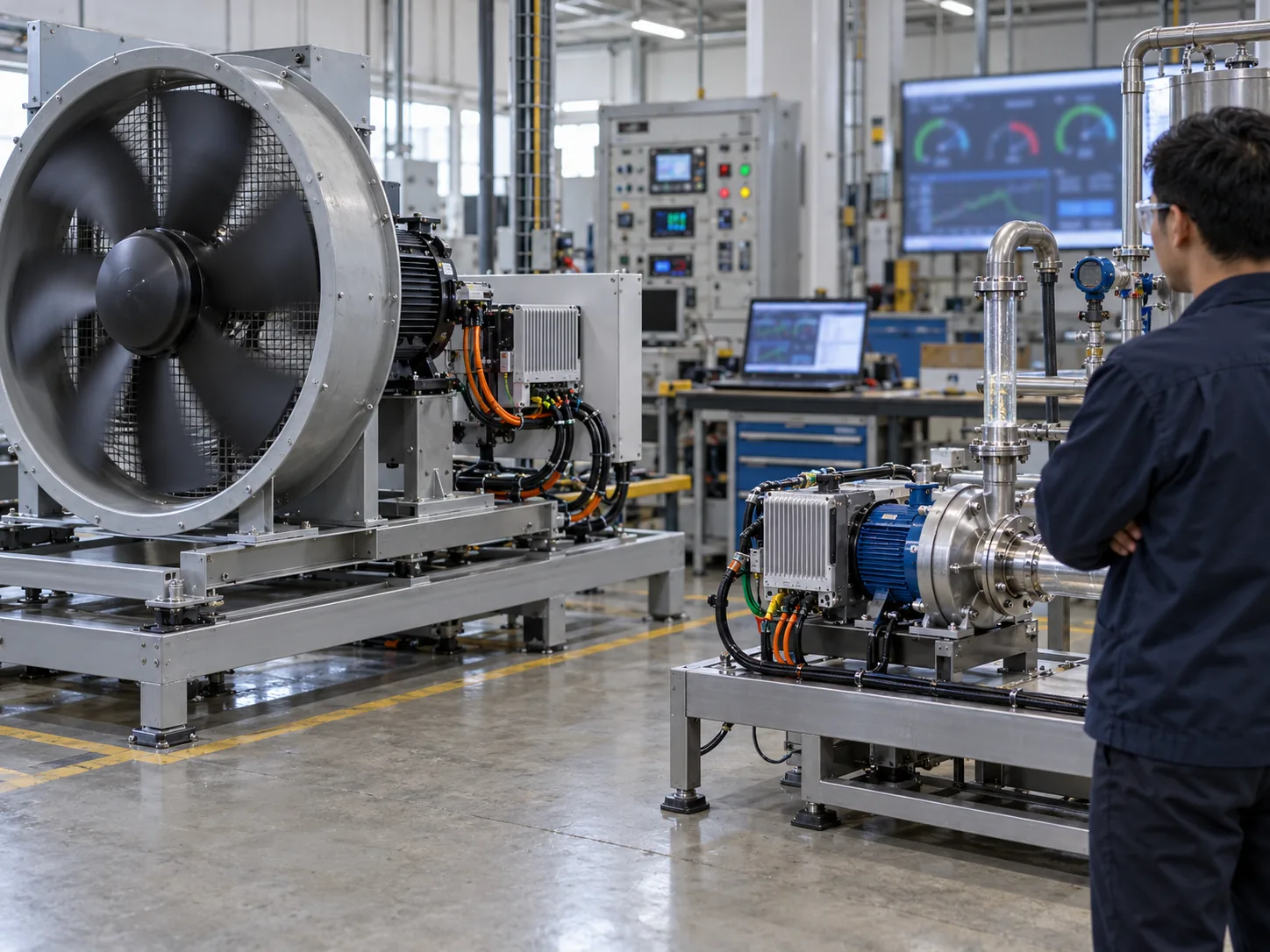
Electrical Characteristics
Electrical operating behavior can be evaluated according to the confirmed specification.
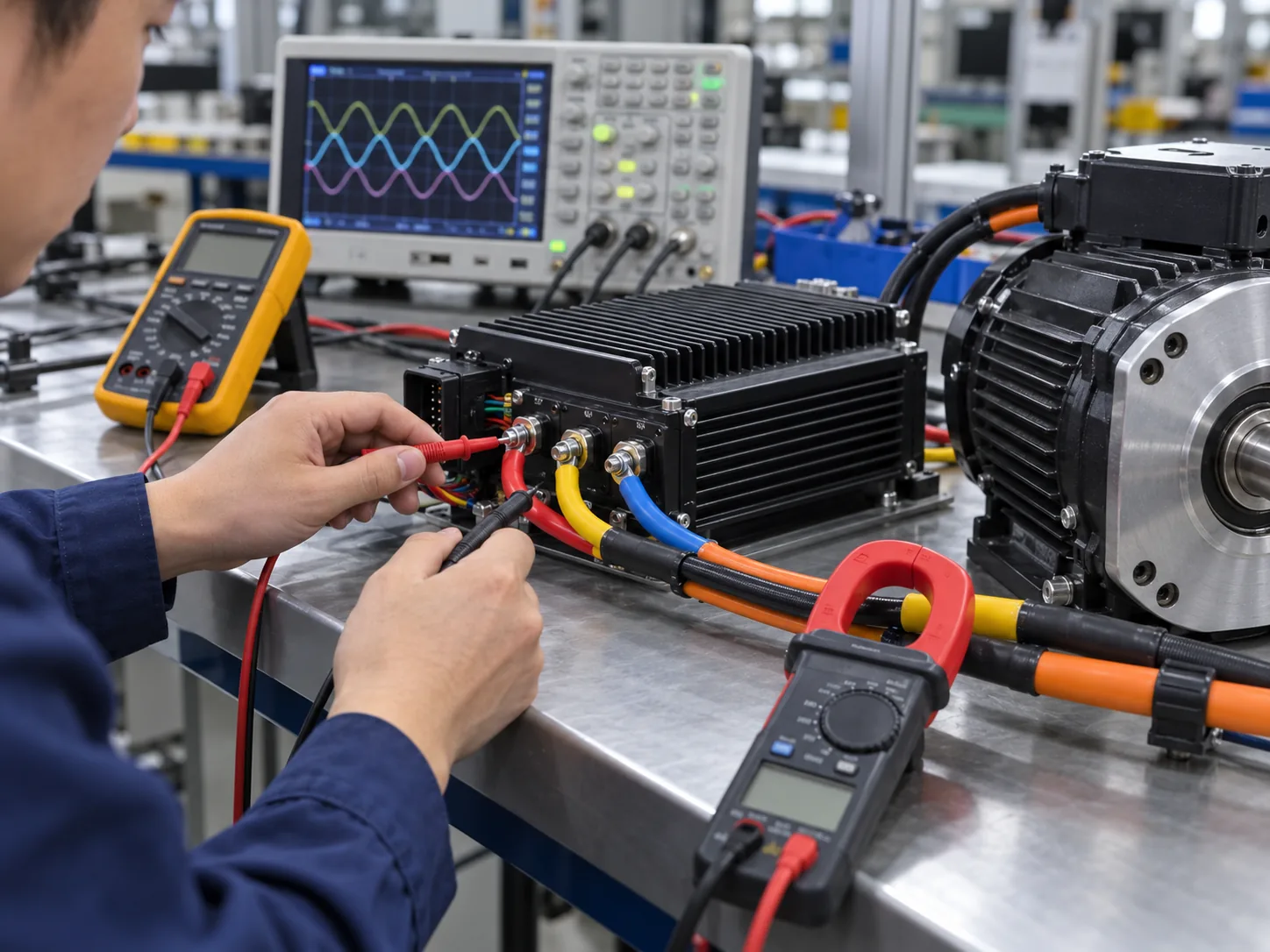
Assembly Quality & Final Product Identification
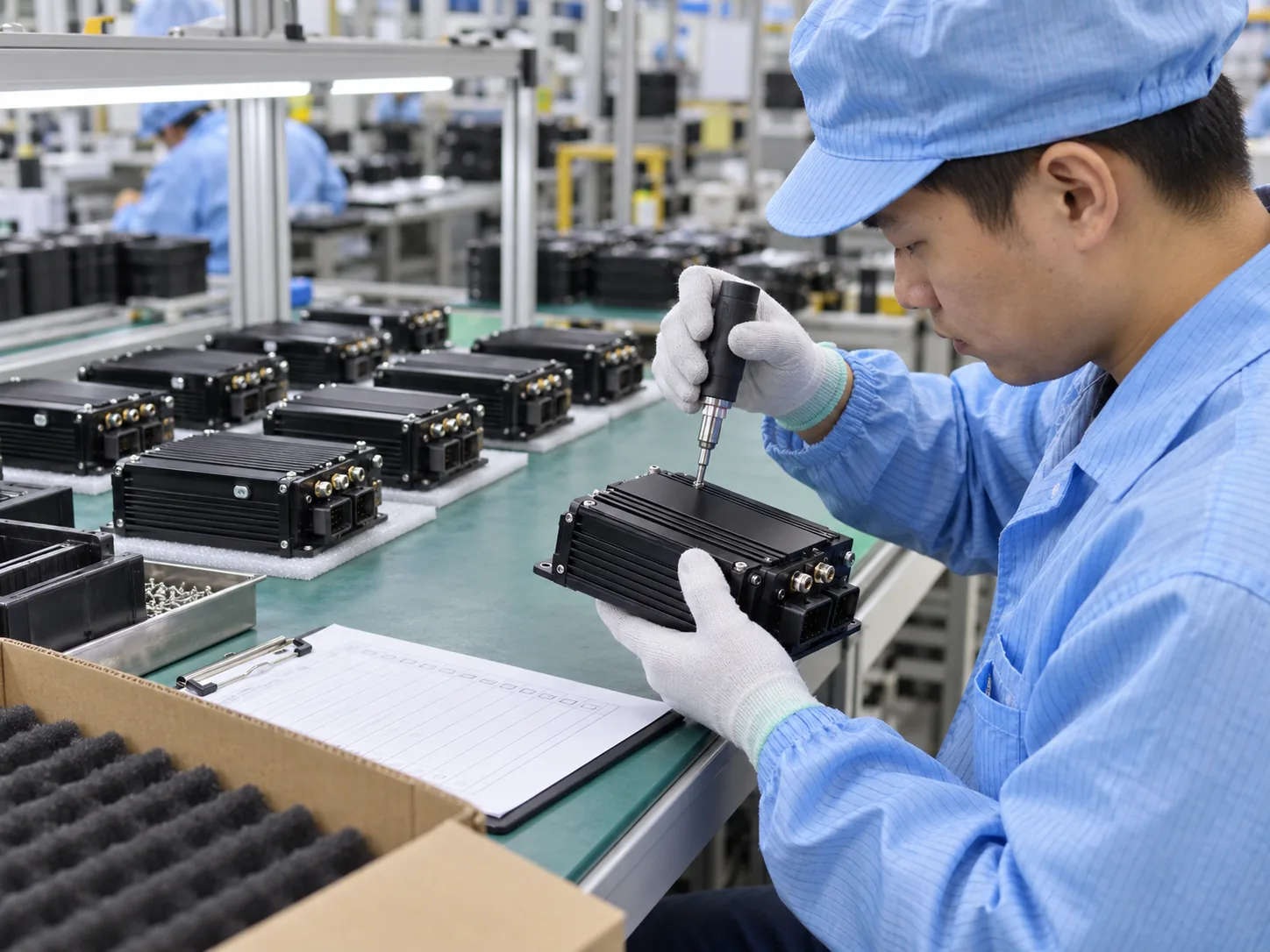
Inspection can identify visible manufacturing or assembly issues, while product identification and project configuration should remain aligned before release.
Application-Specific Quality
Different Controller Families Require Different Test Priorities
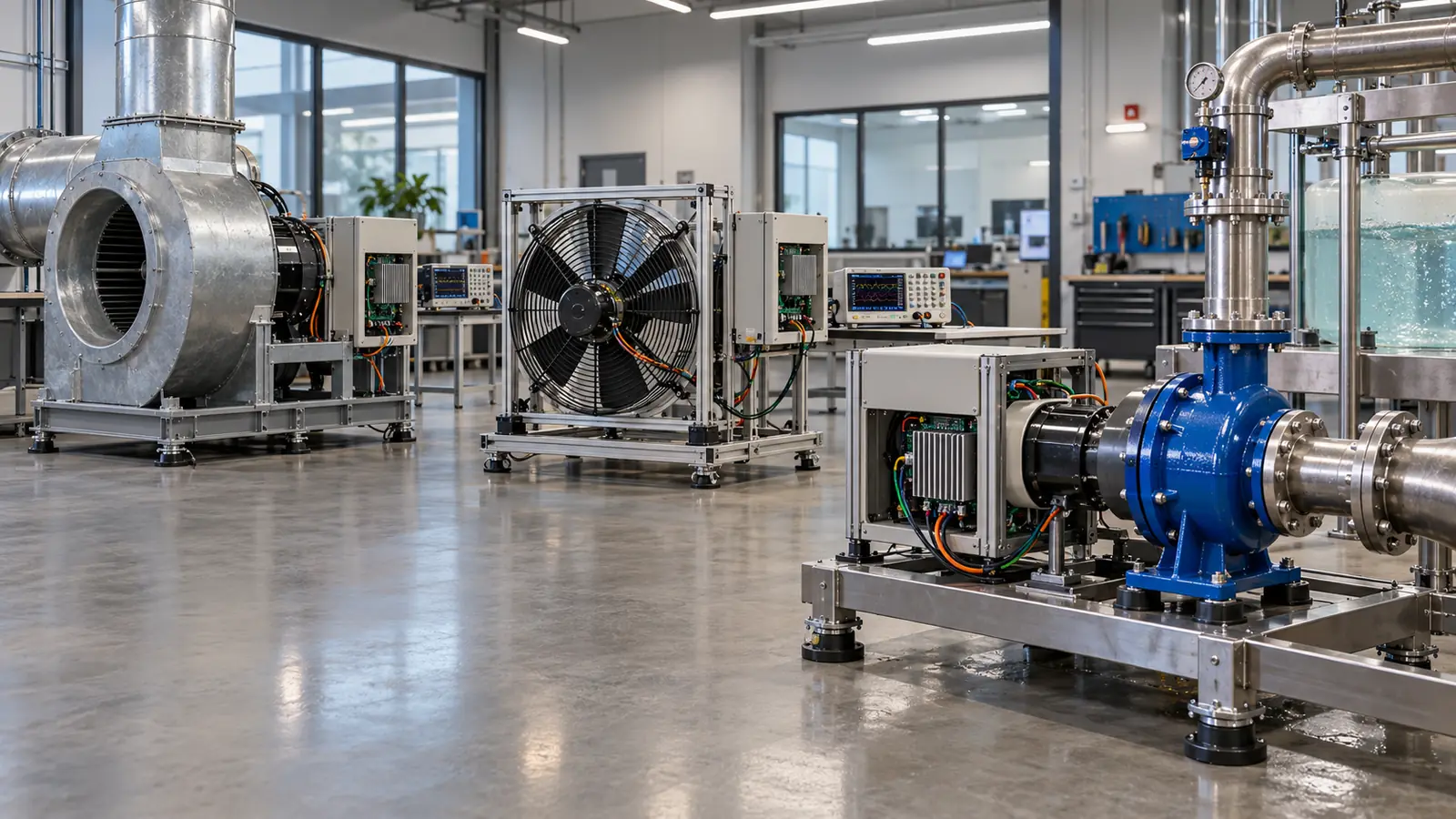
Production testing should reflect what the controller is designed to do in the final application. Select a controller family to carry it into the inquiry.
Ventilation Equipment Controllers
0.18–5.5 kWAxial fans, negative pressure fans, centrifugal fans, blowers and industrial ventilation systems.
Cooling Fan Controllers
15–220 WEnergy storage equipment, UPS systems, power electronics, data center equipment, communication systems and industrial electronics.
Water Pump Controllers
20–1,000 WIndustrial cooling, water circulation, irrigation, drainage, aquaculture and landscape systems.
Testing Workflow
From Manufactured Controller to Approved Product
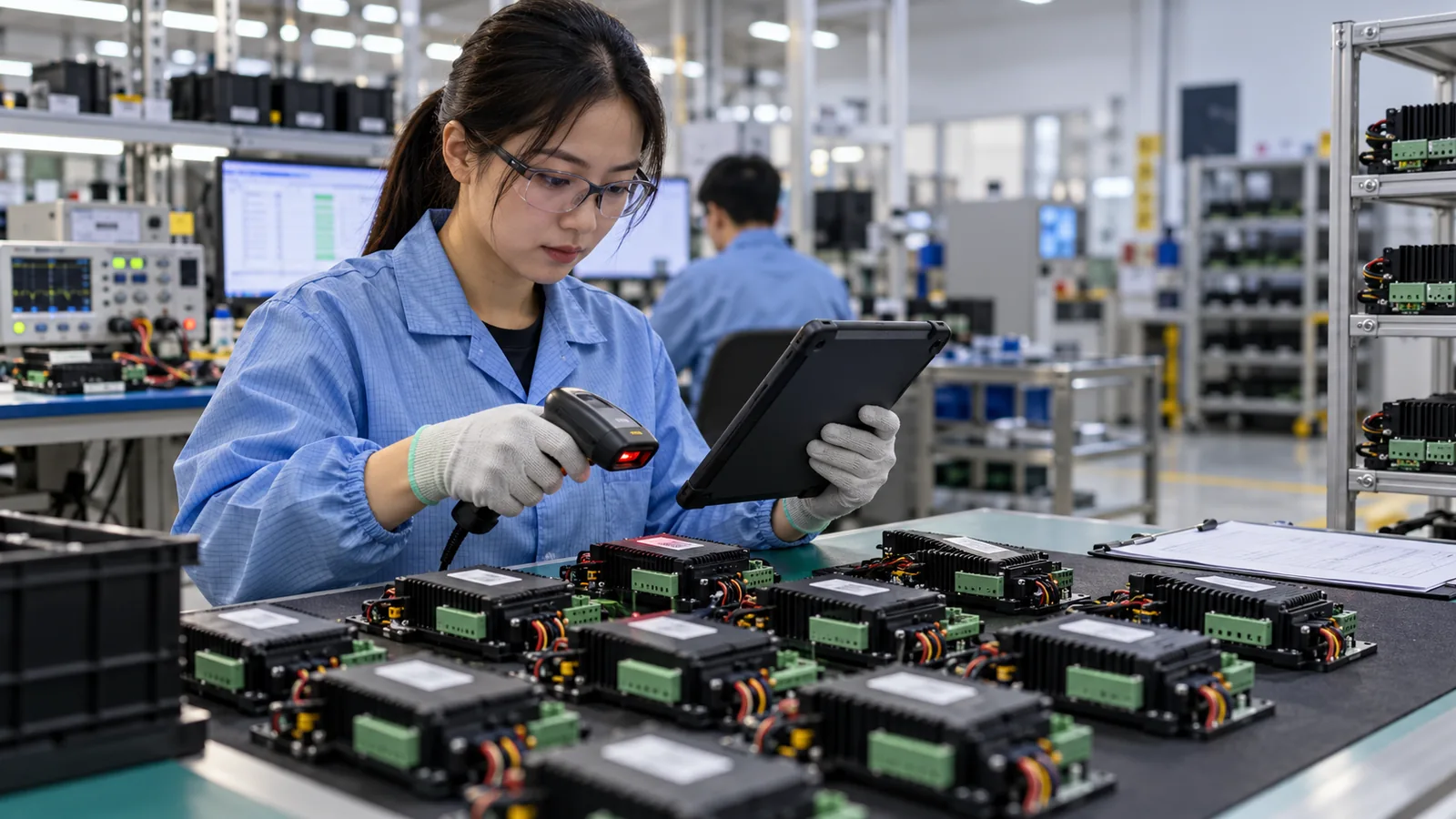
VIREOMOTOR integrates testing into the production and quality-control process rather than relying only on a final visual check.
Start from the approved controller or customer-project configuration so the production baseline is clear before testing begins.
Engineering Support
Production Quality Depends on Engineering Continuity
When a production controller differs from expected behavior, quality control should not stop at identifying that a problem exists. The issue should also be understood from an engineering perspective.
Configuration Traceability
Keep hardware configuration, software version, controller parameters and project requirements connected to the approved baseline.
Engineering Review
Technical analysis can consider hardware, software, motor-control parameters, components, production conditions and application requirements.
Quality Feedback
Production-testing information can feed back into engineering analysis, manufacturing improvement, testing requirements and project configuration control.
Change Management & Repeatability
Technical changes should be evaluated before production introduction, with the goal of keeping products aligned with the confirmed engineering baseline.
From Engineering Sample to Production Batch
Support for OEM & ODM Controller Production
VIREOMOTOR specializes in the research, development and manufacturing of three-phase BLDC motor drive controllers, with capabilities covering engineering, customization, production implementation, testing and quality control.
Controller Information
Controller model, hardware configuration, software version and project-specific parameters.
Motor Information
Motor type, rated voltage, power, current, speed and motor datasheet.
Application Information
Fan / blower / cooling fan / pump, equipment type, operating conditions and duty cycle.
Quality Requirements
Functional, configuration, electrical, product identification and customer inspection requirements.
Existing Technical Documents
Approved controller specification, engineering sample information, test report, wiring diagram, software / parameter requirements or product drawing.
Production Context
Project stage, expected quantity and any current production or consistency issue help define a more relevant testing approach.