
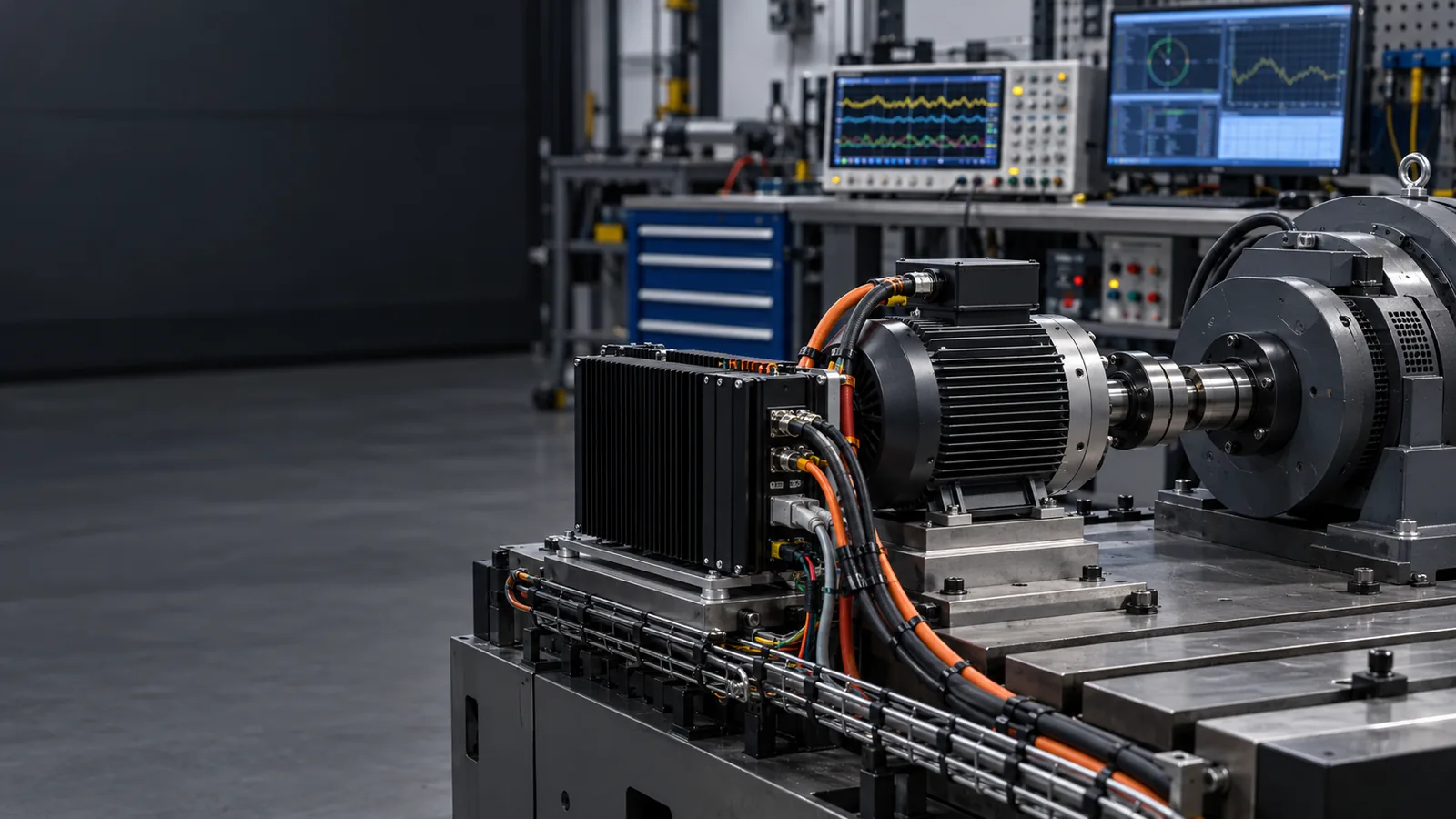
Application-Specific Motor Tuning
Tune the Controller Around the Motor — Not the Other Way Around
A BLDC motor may run with a controller and still not perform correctly inside the final equipment. Startup behavior, speed stability, load response, operating noise and thermal conditions can all depend on how well the controller parameters are matched to the motor and application.
Motor + Controller Matching
A Compatible Controller Is Not Always an Optimized Controller
Matching voltage and power is only the beginning. Two motors with similar ratings can have different electrical and mechanical characteristics, while the equipment they drive can create very different loads.
Startup May Be Too Aggressive or Too Slow
Fan and pump systems can present different startup loads, so controller behavior should match the actual mechanical system.
Speed May Not Be Stable
The motor may need different tuning at low, normal and high operating speeds.
Load Changes Affect Behavior
Ventilation fans, cooling fans and pumps can experience changing operating loads.
Noise Can Become an Application Issue
Motor-control behavior can influence acoustic performance, particularly in ventilation, cooling and cabin-related applications.
Thermal Conditions Can Change
Controller tuning can influence current behavior, operating load and heat generation.
System Response May Need Refinement
The motor may need to respond differently according to equipment commands or changing operating conditions.
Tuning Parameters
Optimize Motor Behavior Across the Complete Operating Range
The exact tuning scope depends on the controller platform and application, but VIREOMOTOR can evaluate several areas of motor behavior.
Startup Characteristics
Tuning can consider how the motor starts under the real application load, including the desired acceleration and the stability required at startup.
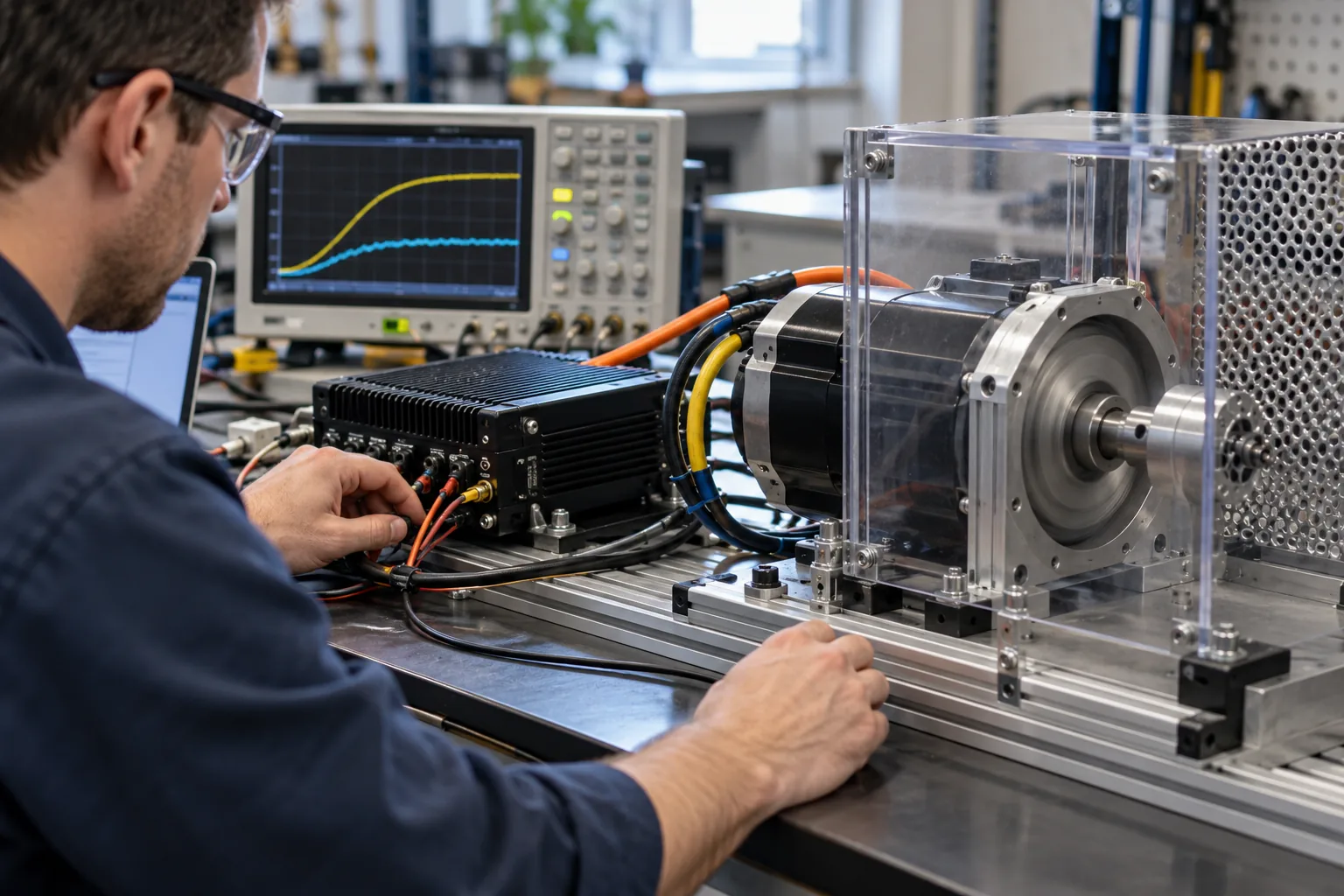
Speed Regulation
Engineering evaluation can review motor behavior across the required operating range and during transitions between operating speeds.
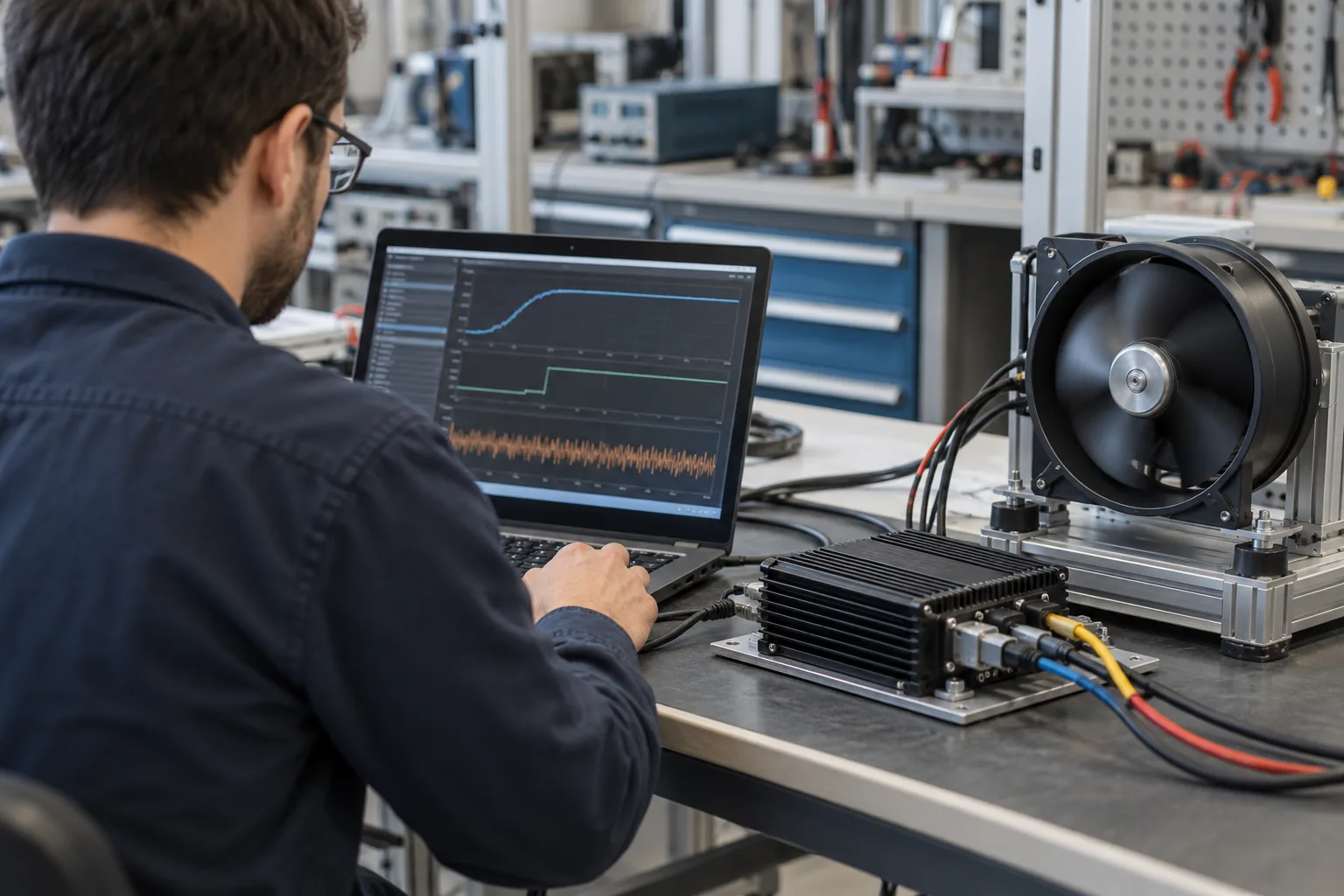
Load Response
Controller parameters can be evaluated according to the actual fan, blower or pump load and the way that load changes during equipment operation.
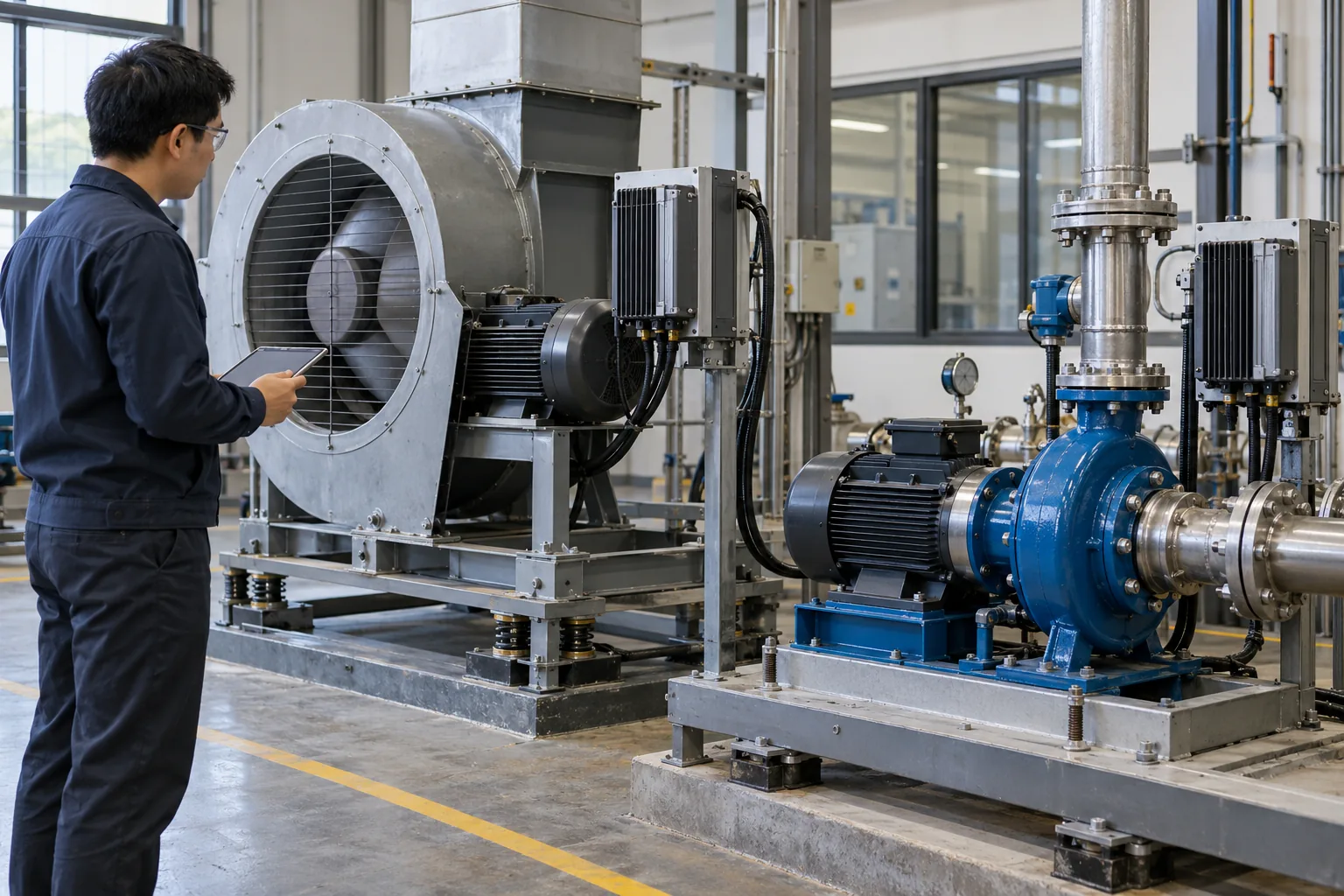
Motor Current Behavior
Current requirements can be reviewed during motor and application evaluation as part of the wider controller-tuning process.
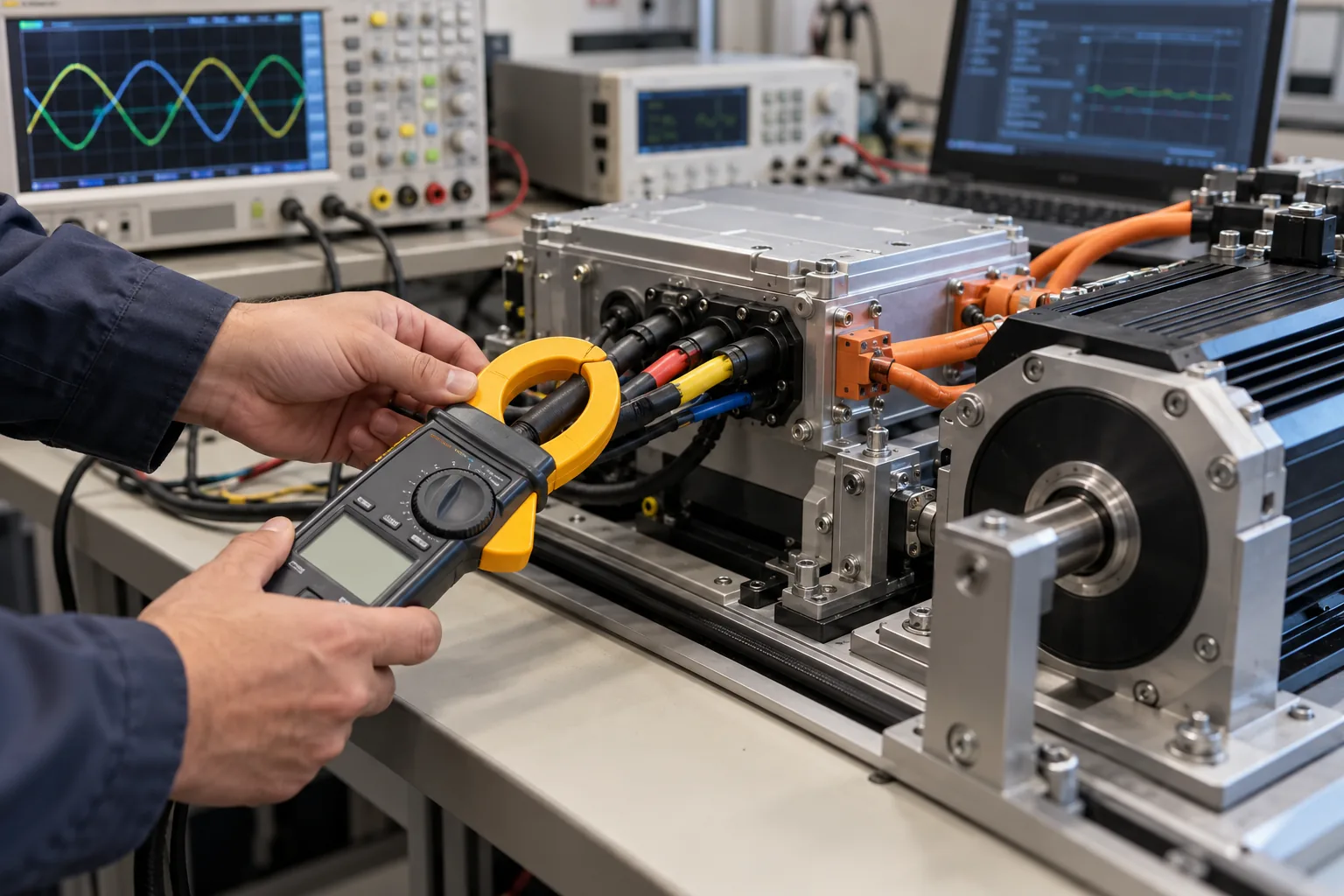
Operating Smoothness & Acoustic Performance
Motor-control behavior can be refined to support smoother operation, and where noise is important, tuning can focus on how the motor and controller behave together.

Protection Interaction
Motor tuning should remain coordinated with the controller's confirmed protection strategy. Tuning is part of the controller system, not an isolated parameter exercise.
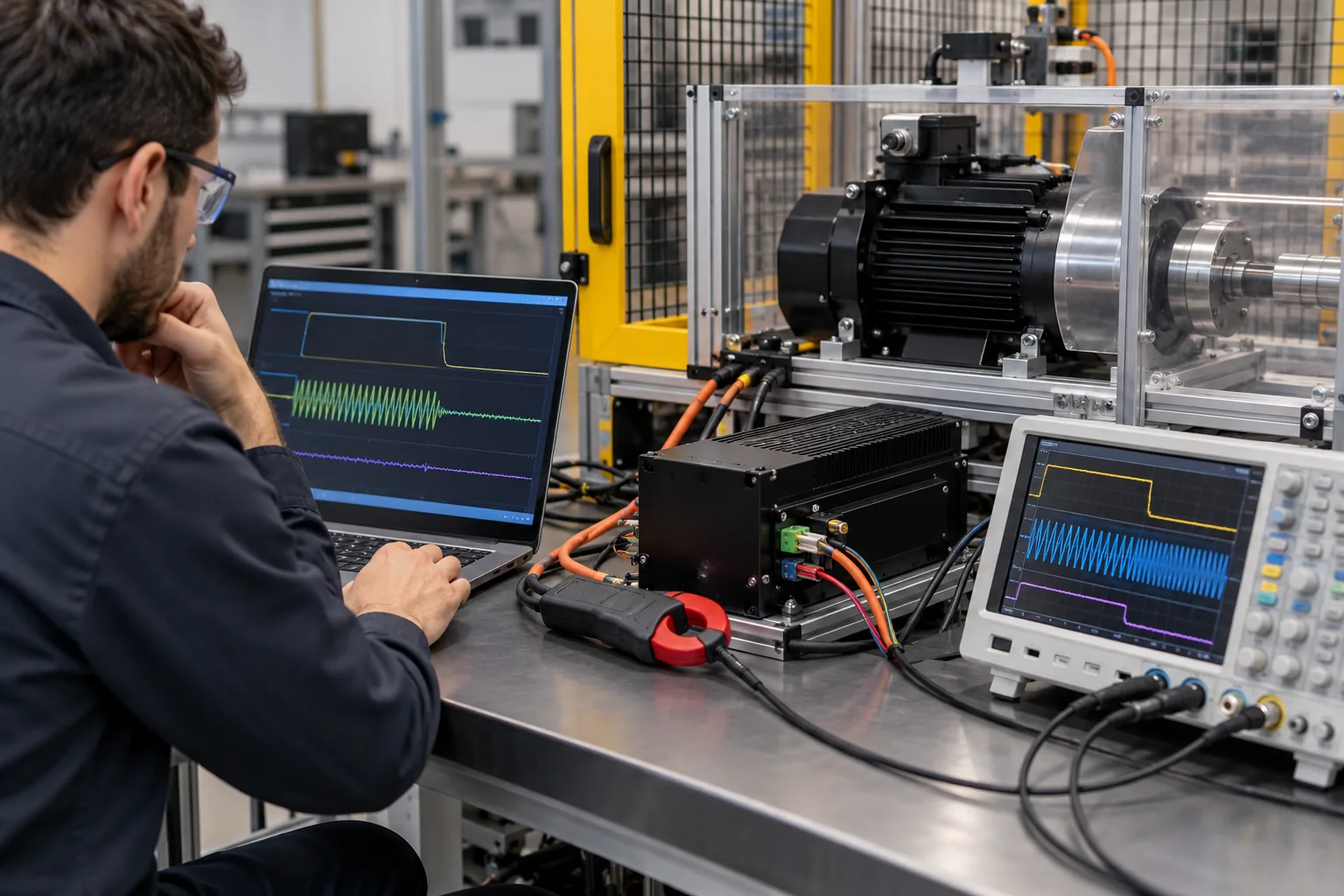

Application-Specific Optimization
Fans and Pumps Need Different Tuning Priorities
The ideal control behavior depends heavily on what the motor drives. Select an application to carry it into the engineering inquiry.
Ventilation Equipment
0.18–5.5 kWAxial fans, negative pressure fans, centrifugal fans, blowers and industrial ventilation equipment.
Cooling Fans
15–220 WEnergy storage equipment, UPS systems, data center equipment, communication systems, power electronics and industrial electronics.
Water Pumps
20–1,000 WIndustrial cooling, water circulation, irrigation, drainage, aquaculture and landscape systems.
Engineering Method
From Motor Data to Application-Optimized Parameters
VIREOMOTOR uses a structured process to evaluate and optimize motor-control behavior.
Begin with complete motor information so the tuning process is based on the real electrical and mechanical requirements.
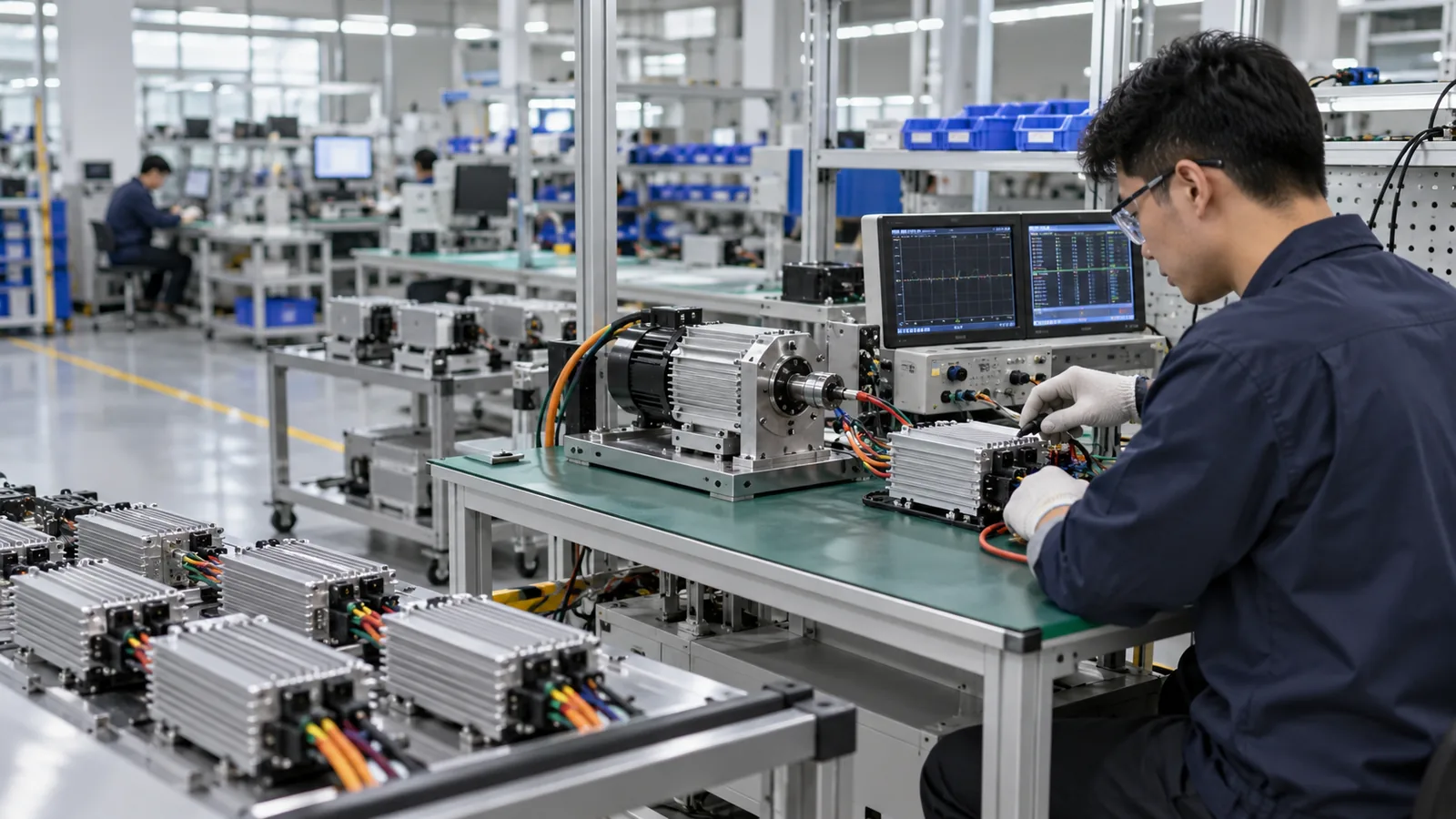
From Tuning to Production
Tuning Results Must Be Repeatable in Manufacturing
A successful motor-tuning project does not end with one working prototype. The confirmed motor-control configuration should also be transferred consistently into production.
Parameter Confirmation
Once tuning is complete, the approved controller configuration can be documented for the project.
Software Configuration
Where applicable, the confirmed software version and motor-control parameters can be incorporated into production requirements.
Functional Verification
Controllers can be checked against the intended operating functions.
Motor Matching
Where required, controller configuration can remain associated with the intended motor and application.
Production Consistency
Manufacturing should preserve the confirmed controller configuration and parameter definition.
Engineering Feedback
If issues appear during sample evaluation or production, the motor and controller configuration can be reviewed again.
Engineer-to-Engineer Support
Send Us Your Motor and Tell Us How It Should Behave
VIREOMOTOR specializes in three-phase BLDC motor drive controllers, with in-house hardware and software capabilities supporting motor matching, controller tuning, customization and production implementation.
Motor Information
Motor type, rated voltage, power, current, speed, torque requirements and motor datasheet.
Application Information
Equipment type, fan / blower / pump, load characteristics, duty cycle and operating environment.
Tell Us What Is Happening
Startup issue, unstable speed, poor load response, excessive noise, thermal concern or control-response issue.
Describe the Target Behavior
Explain what you want the motor to do differently after tuning.
Existing Controller Information
Controller model, hardware version, software version, parameter configuration and technical specification where available.
Supporting Technical Data
Motor datasheet, controller specification, test report, waveform or equipment drawing.