
Engineering Matching Service
Match the Controller to the Motor — and the Motor to the Application
Choosing a BLDC motor controller is not simply a matter of matching wattage. Voltage, current, speed, torque characteristics, load, operating environment and control requirements all affect controller compatibility.
Compatibility First
Similar Power Does Not Mean Automatic Compatibility
Two motors with the same rated power can behave differently in real equipment. A ventilation fan, cooling fan and water pump can create different startup loads, speed requirements, duty cycles and thermal conditions.
Startup Behavior
The controller needs to support the motor and application load during startup.
Speed Stability
Controller configuration must support the required speed behavior of the application.
Thermal Performance
Current, power stage and installation conditions can influence controller heat generation.
Operating Noise
Motor-control strategy can influence noise performance in fan and blower applications.
System Integration
The controller must work with the equipment's operating logic and control architecture.
Reliable Operation
Electrical, thermal and operating conditions should remain within the intended controller design.
Motor Data Review
What Information Do We Need From Your Motor?
A complete motor datasheet is the best starting point. Power is an important filter, but it is not enough by itself. Our engineering team reviews the motor together with the final application.
Confirm the Motor Type First
VIREOMOTOR focuses on three-phase brushless DC motors. The motor type should be confirmed before controller evaluation.
Rated Voltage and Power
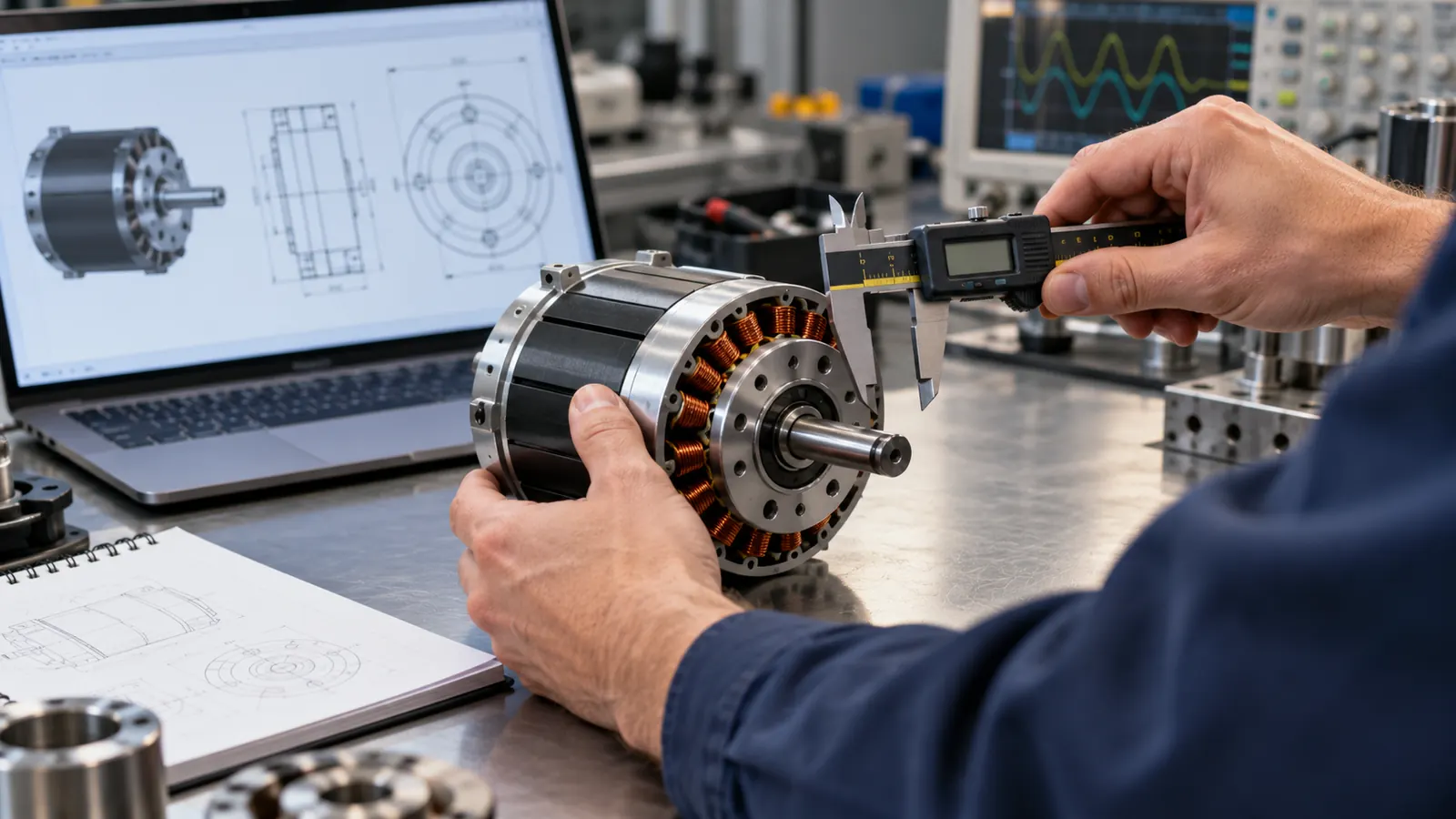
The controller must be electrically compatible with the motor and the equipment power system. Rated power helps identify the appropriate controller family.
Rated Current
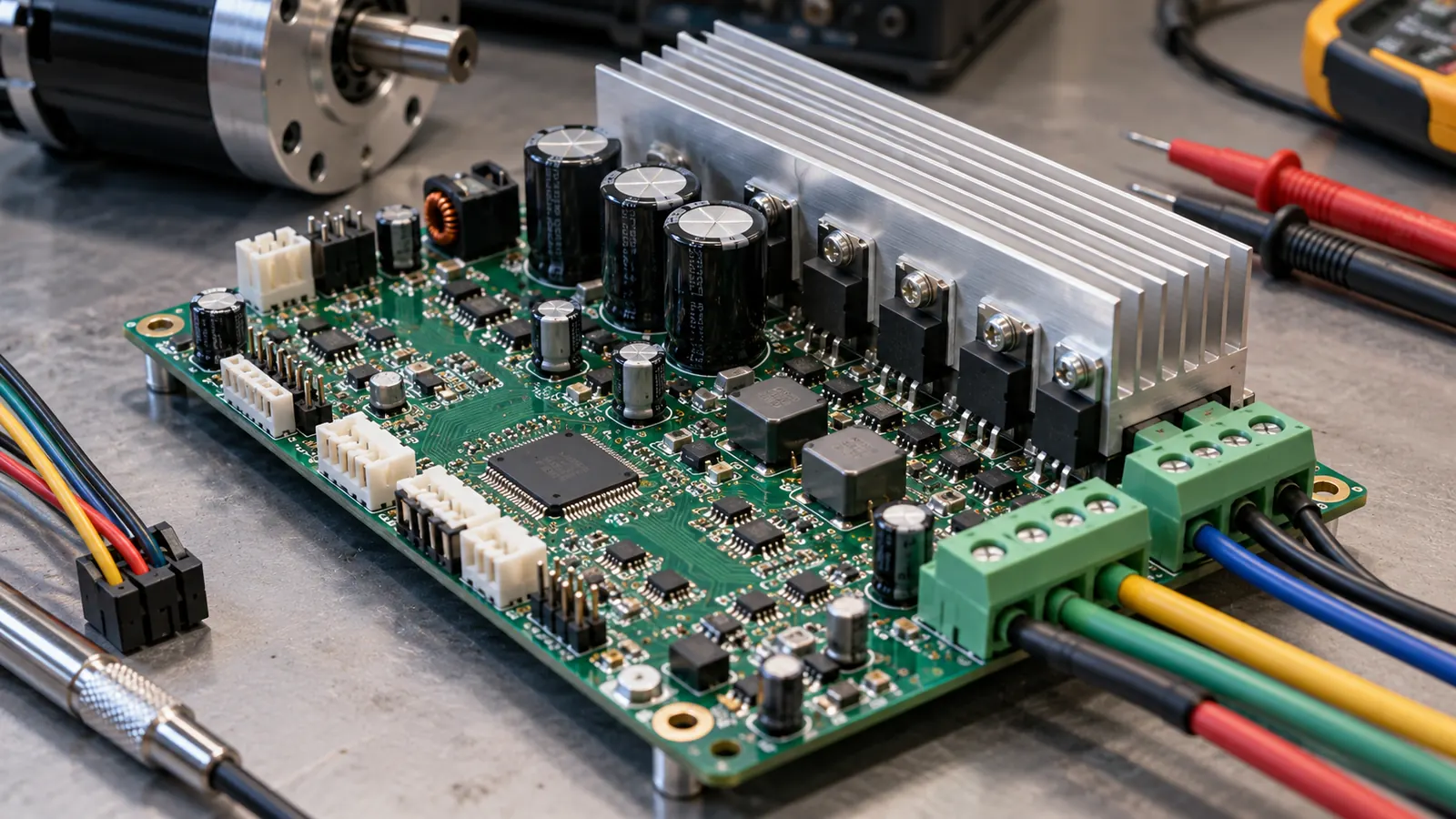
Current influences controller loading, power-stage requirements, thermal design and hardware configuration.
Motor Speed and Torque Requirements
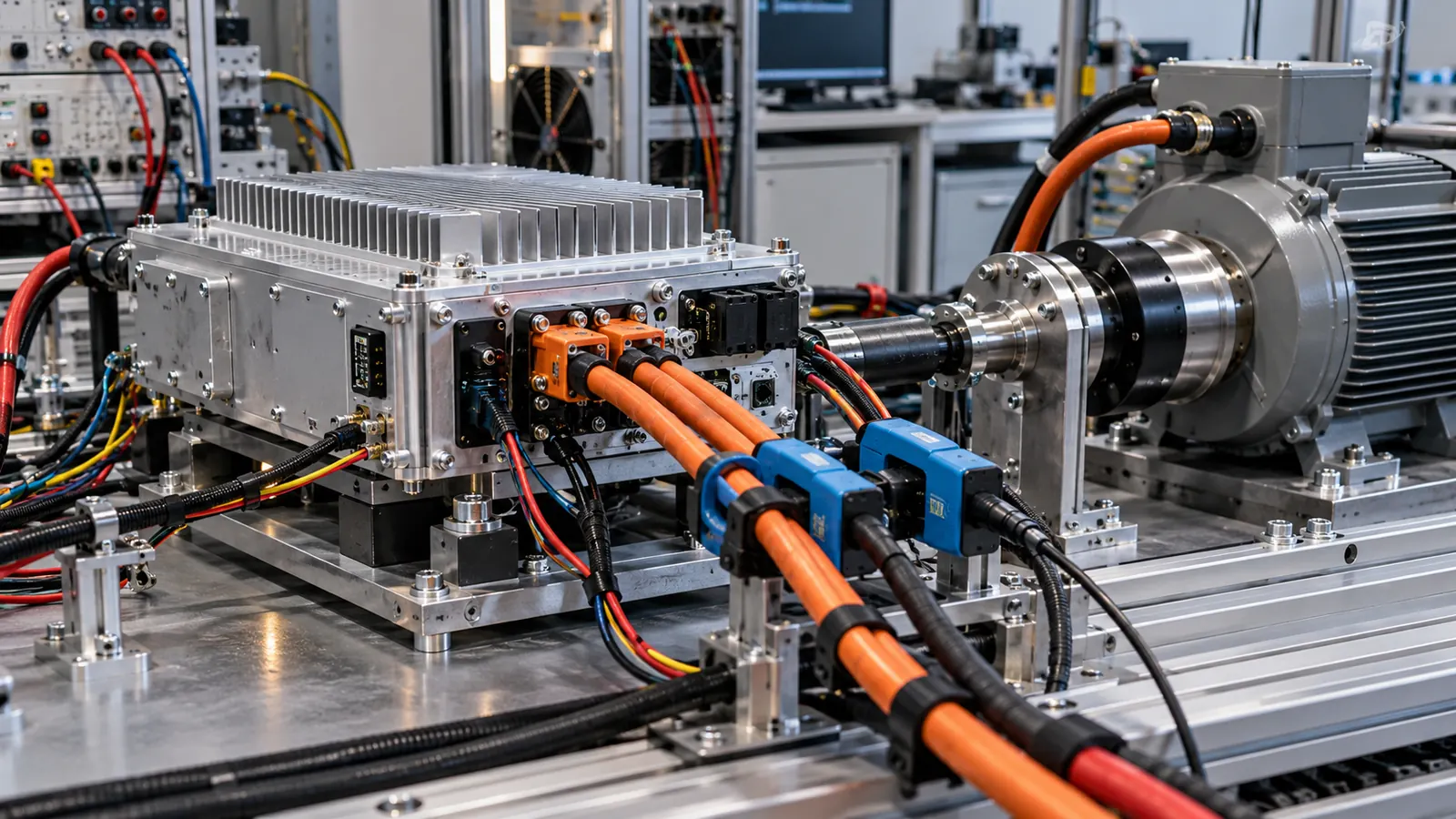
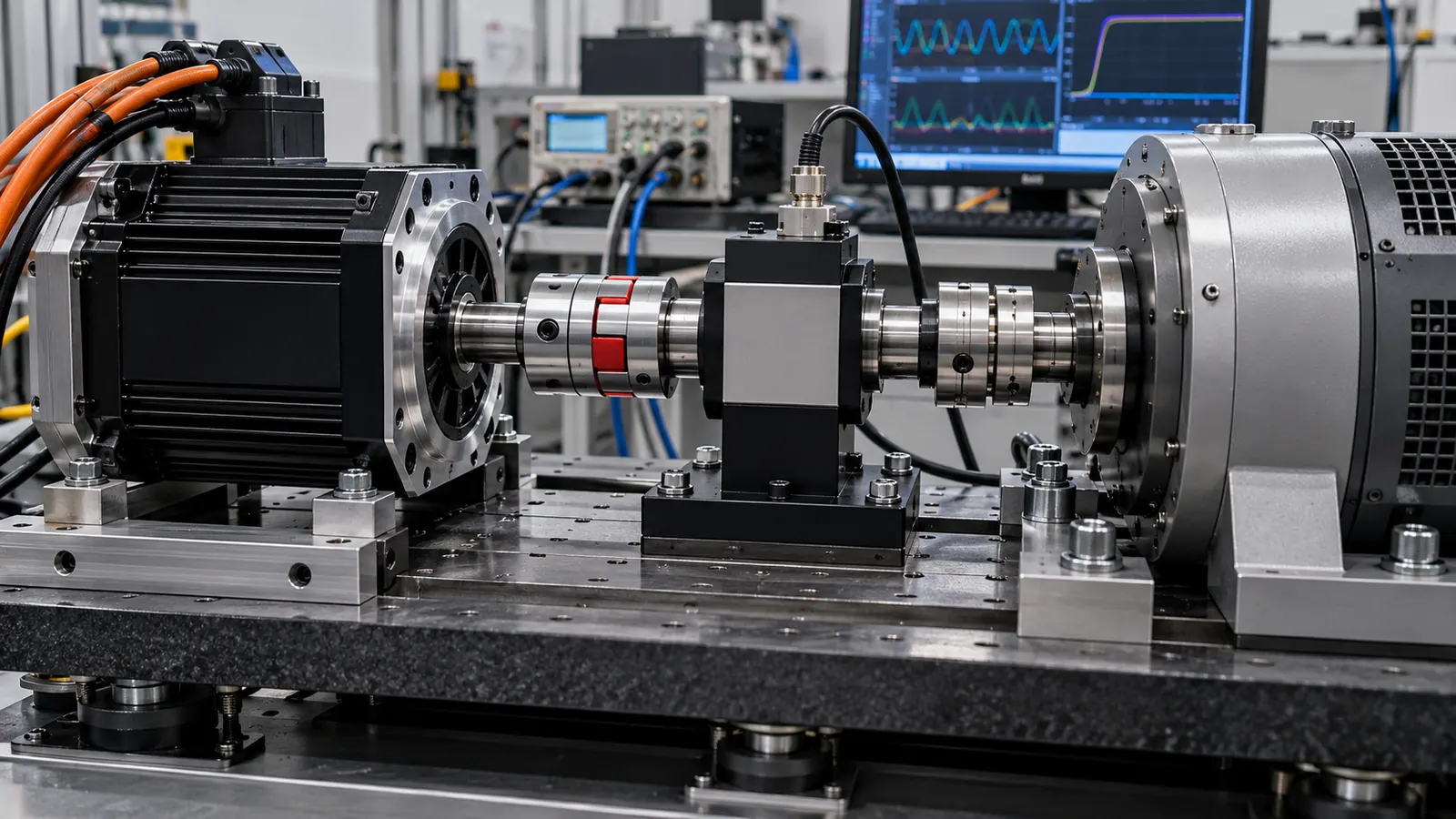
Useful speed information includes rated RPM, required operating range and normal working speed. Torque data helps clarify startup and load behavior.
Startup Characteristics
Tell us whether the application has a higher startup load, requires slower acceleration, faster startup or another application-specific startup condition.
Send the Complete Motor Datasheet
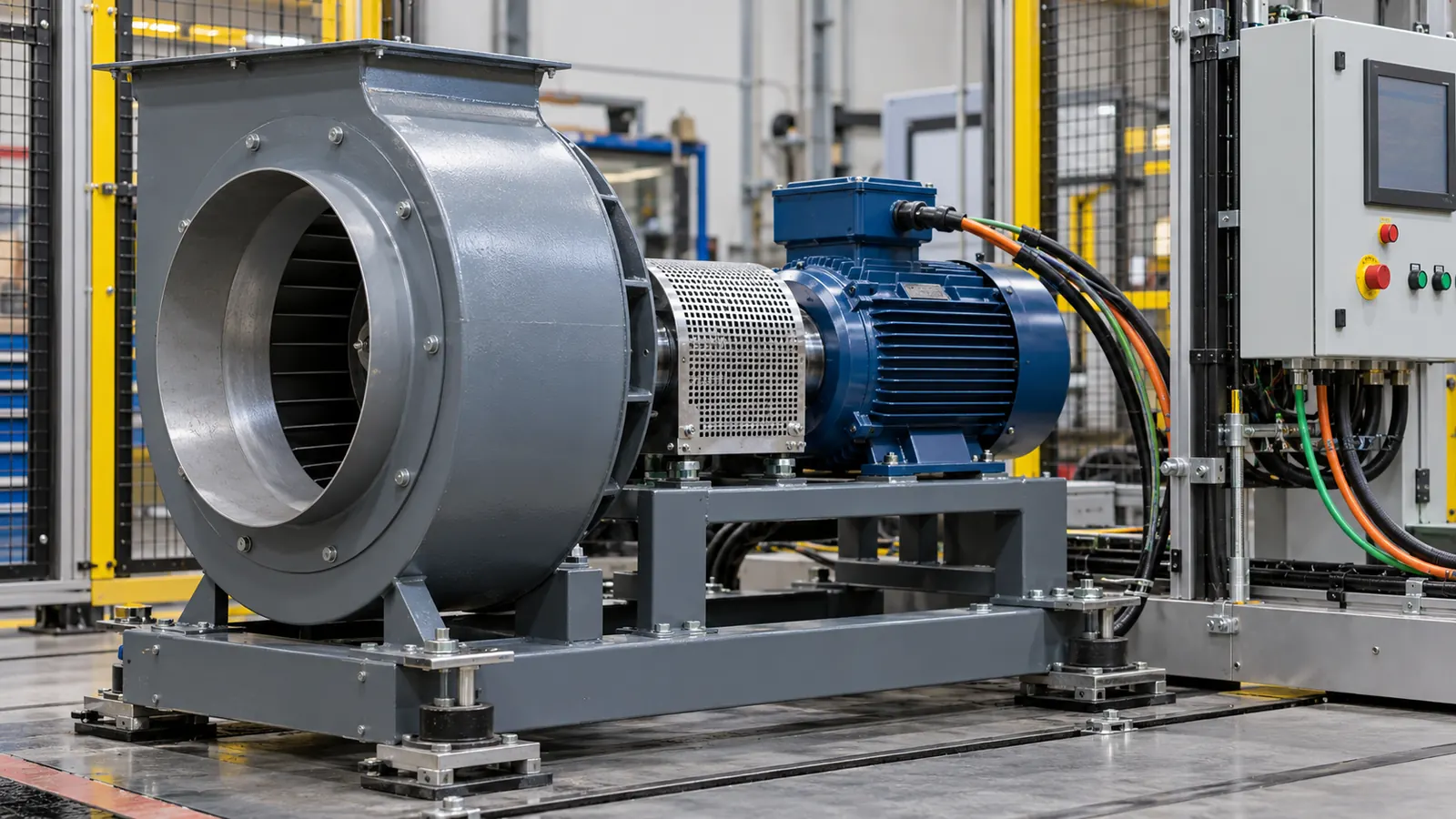
Whenever available, provide the complete motor specification rather than only a few parameters. Equipment and existing-controller information can also improve the evaluation.
Application Matching
The Load Changes the Controller Requirements
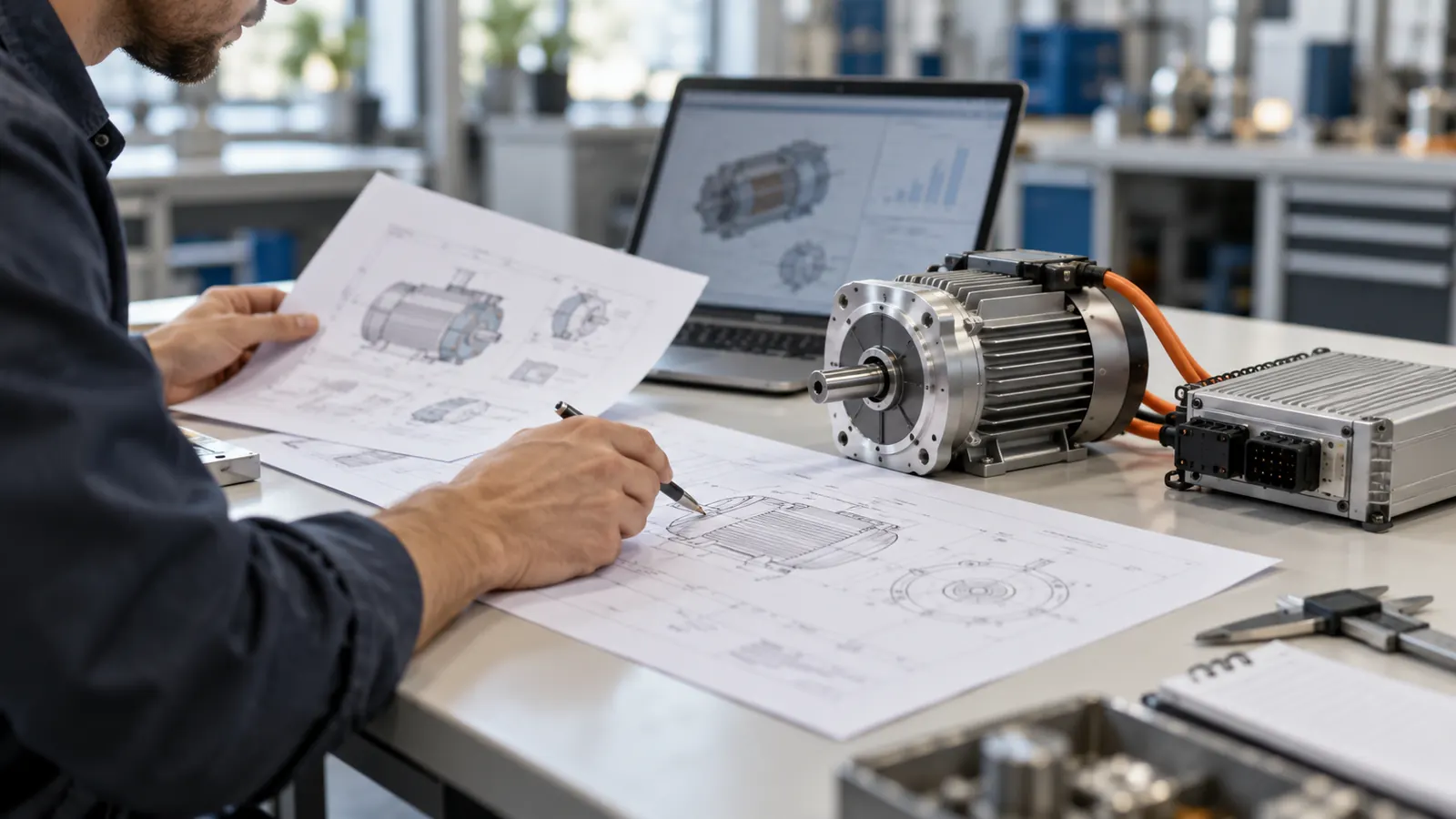
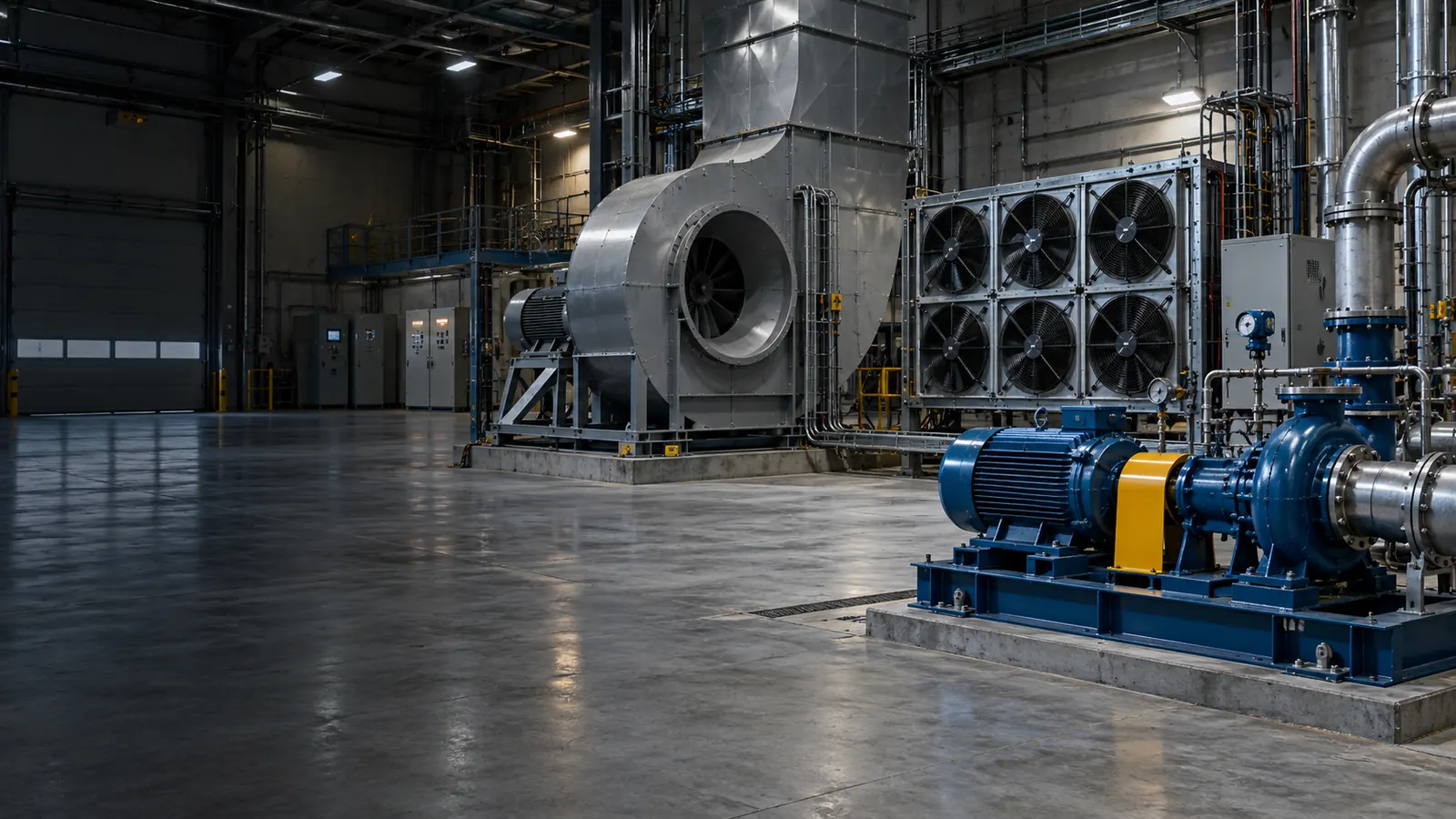
The same BLDC motor can require a different controller approach depending on what it drives. VIREOMOTOR evaluates the application together with the motor.
Ventilation Equipment
0.18–5.5 kWAxial fans, centrifugal fans, negative pressure fans, blowers and industrial ventilation equipment.
Cooling Fans
15–220 WEnergy storage equipment, UPS systems, power electronics, data centers, communication systems and industrial electronics.
Water Pumps
20–1,000 WIndustrial cooling, water circulation, irrigation, drainage, aquaculture and landscape systems.
Beyond Motor Specifications
Electrical Matching Is Only One Part of the Job
Even when voltage, power and current match, the controller may still need to satisfy speed-control, duty-cycle, thermal, installation and equipment-level control requirements.
Speed Control
Fixed speed, multiple speeds, variable speed or system-controlled speed.
Duty Cycle
Continuous, intermittent, temperature-based or demand-based operation.
Control Logic
Startup, operating modes, stop behavior and application-specific functions.
Communication
Provide the actual interface requirements when integration with the main control system is needed.
Installation Space
Available PCB area, board dimensions, connector position and wiring limitations.
Thermal Conditions
Available airflow, controller cooling, enclosure and internal equipment temperature.
Standard vs Custom
What Happens If an Existing Controller Does Not Match?
VIREOMOTOR first evaluates whether an existing controller platform can meet the project requirements. If the motor or equipment requires a different configuration, custom engineering can be considered.
Standard Platform May Be Suitable
Use an existing platform when the core electrical, mechanical, control and thermal requirements are compatible.
Custom Engineering May Be Needed
Customization can be evaluated when the application requires changes beyond the standard platform.
Engineering Review Process
From Motor Data to Controller Recommendation
VIREOMOTOR combines in-house hardware and software engineering with application evaluation and manufacturing support. Final compatibility should be confirmed through engineering review.
Start by identifying what the motor actually drives and how the final equipment is expected to operate.
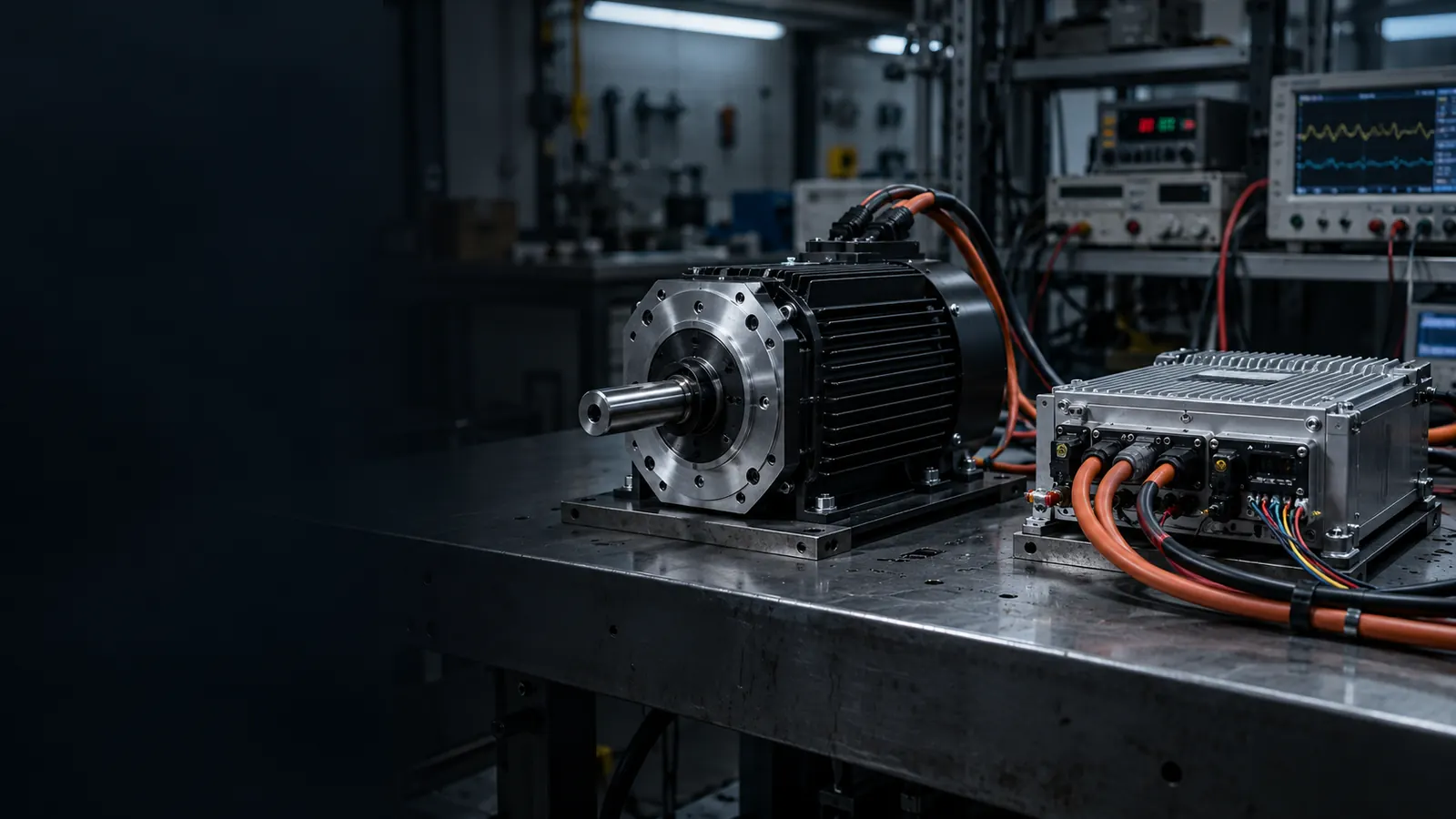
Motor & Controller Matching Recommendation
Send the Motor Data. We’ll Evaluate the Match.
Providing a complete motor datasheet and equipment information helps the engineering team evaluate compatibility more accurately. Final controller compatibility depends on the actual motor, load and equipment requirements.