
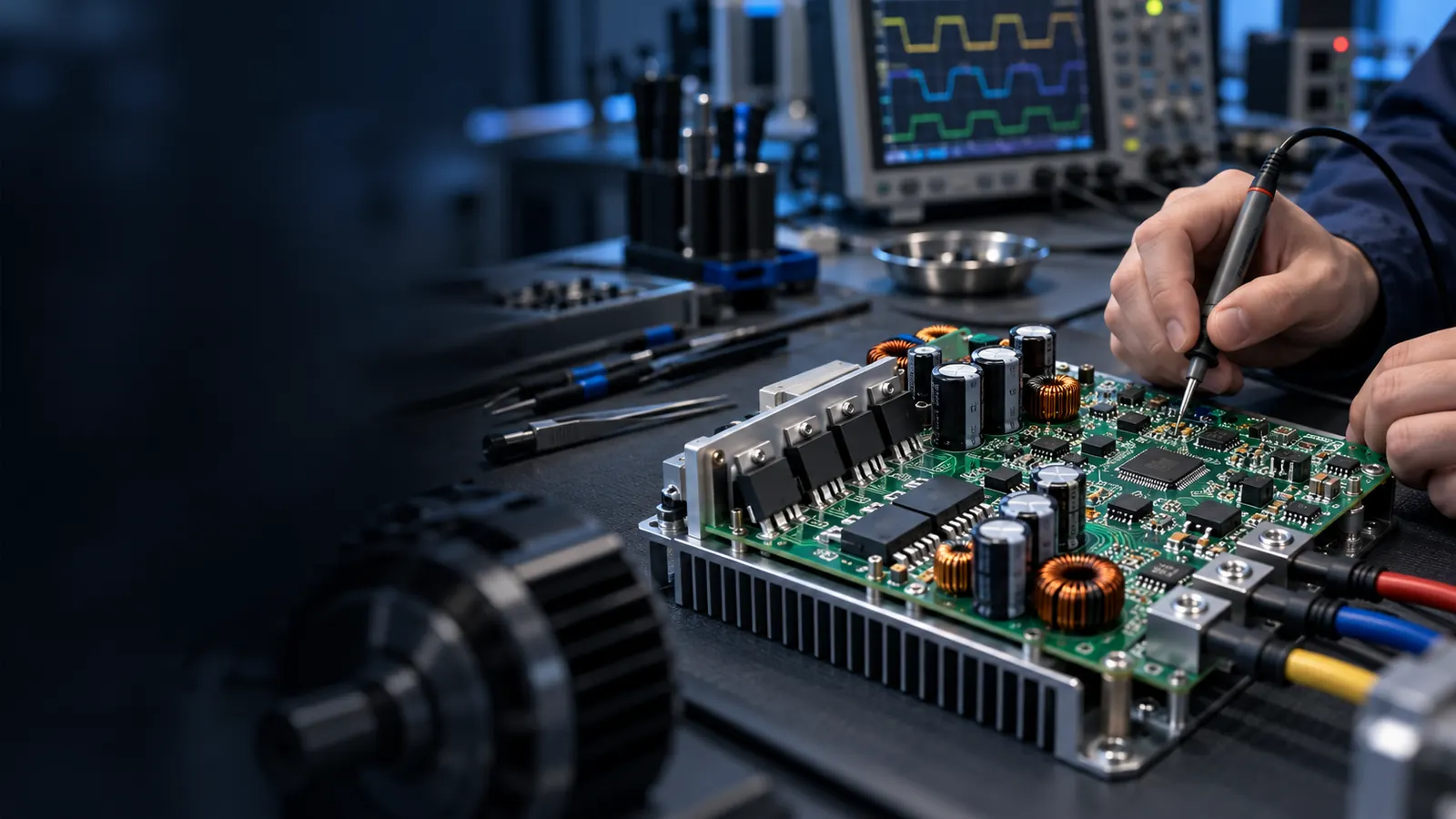
Electrical Engineering
Electrical Configuration Built Around Your BLDC Motor
A controller can have the right physical size and still be unsuitable if its electrical characteristics do not match the motor and equipment. VIREOMOTOR provides electrical customization for three-phase BLDC motor drive controllers, helping OEM and ODM equipment manufacturers adapt controller configurations around real motor and system requirements.
Electrical Compatibility
Matching Wattage Alone Is Not Enough
Voltage, current, motor characteristics, startup load, operating speed and equipment power architecture all affect controller compatibility. Two motors with similar power ratings may still require different electrical configurations.
Voltage Compatibility
The controller must operate within the electrical architecture of the motor and equipment.
Current Requirements
Motor current influences power-stage design, component selection, thermal behavior and controller loading.
Startup Demand
Fan, blower and pump loads can create different electrical requirements during startup.
Operating Load
The motor may experience changing load conditions during normal operation.
Thermal Behavior
Electrical configuration directly affects controller heat generation and thermal requirements.
System Compatibility
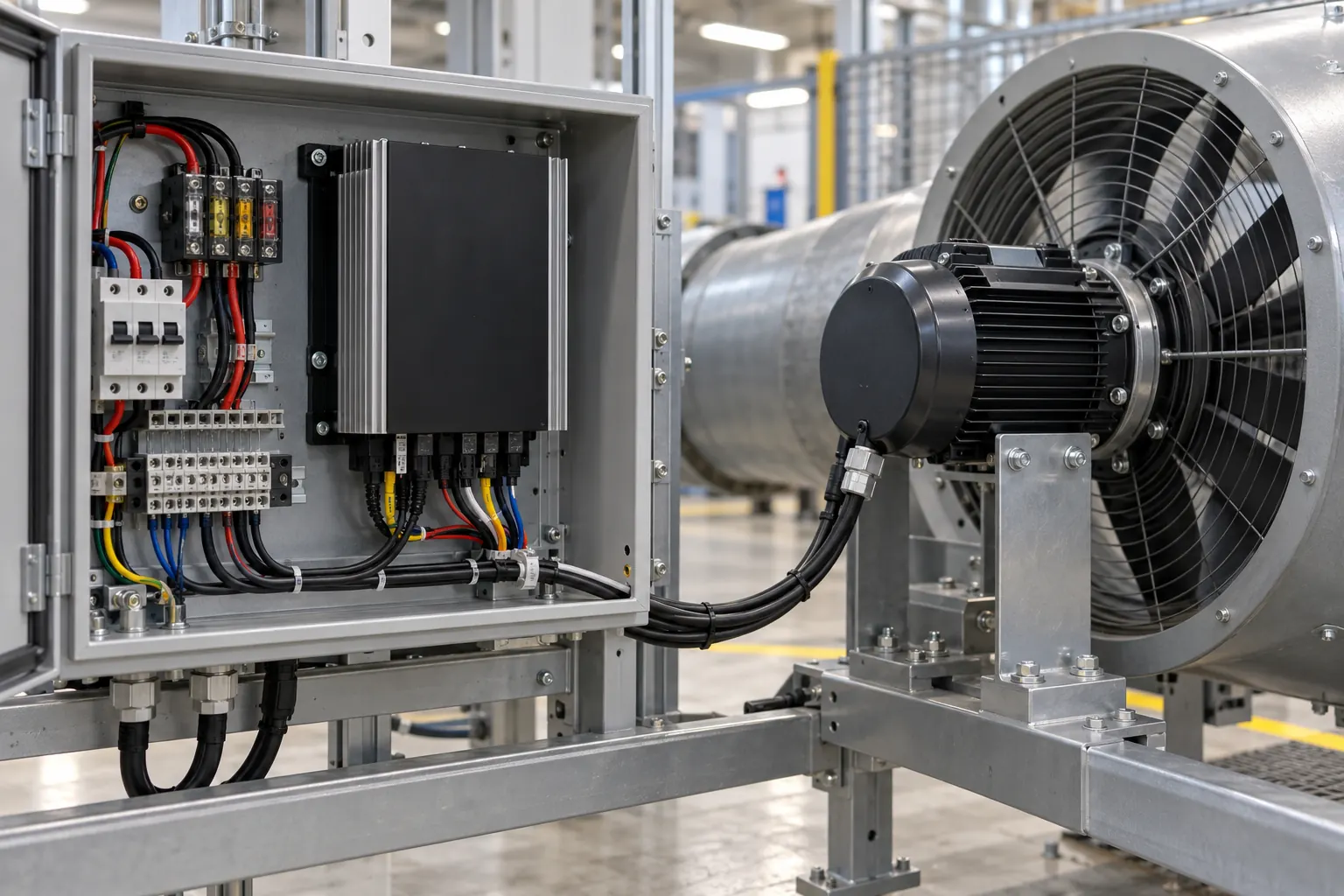
The controller needs to work with the complete equipment power and control architecture.
Custom Electrical Configuration
Electrical Parameters Adapted to the Application
Depending on the controller platform and project requirements, VIREOMOTOR can evaluate multiple electrical areas around the actual motor and equipment.
Voltage Configuration
Controller architecture can be evaluated around the voltage requirements of the motor and equipment power system.
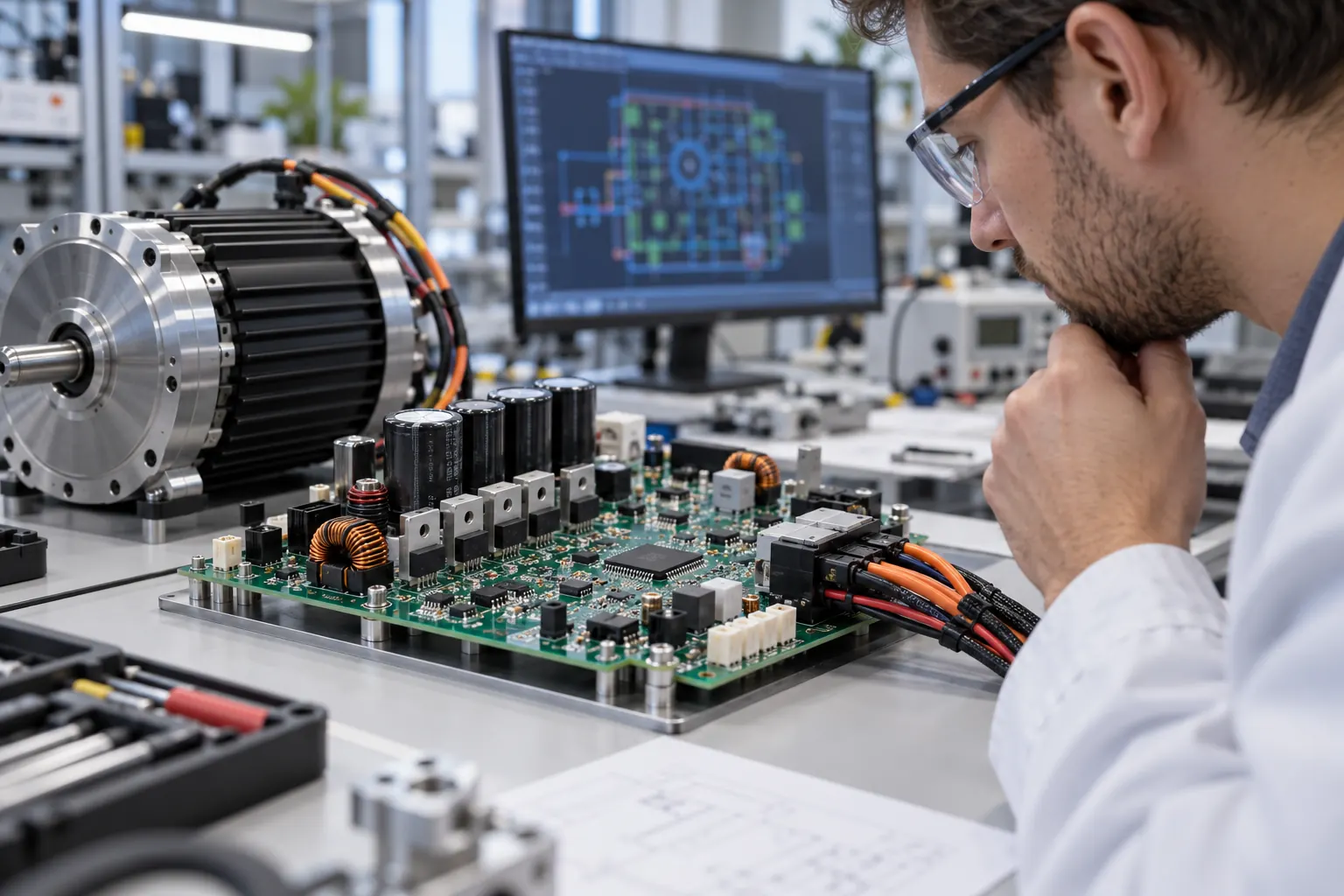
Power Range and Current Capability
The controller power stage can be matched to the required motor power and application. Current requirements should be reviewed together with motor characteristics, operating load, startup behavior and thermal conditions.
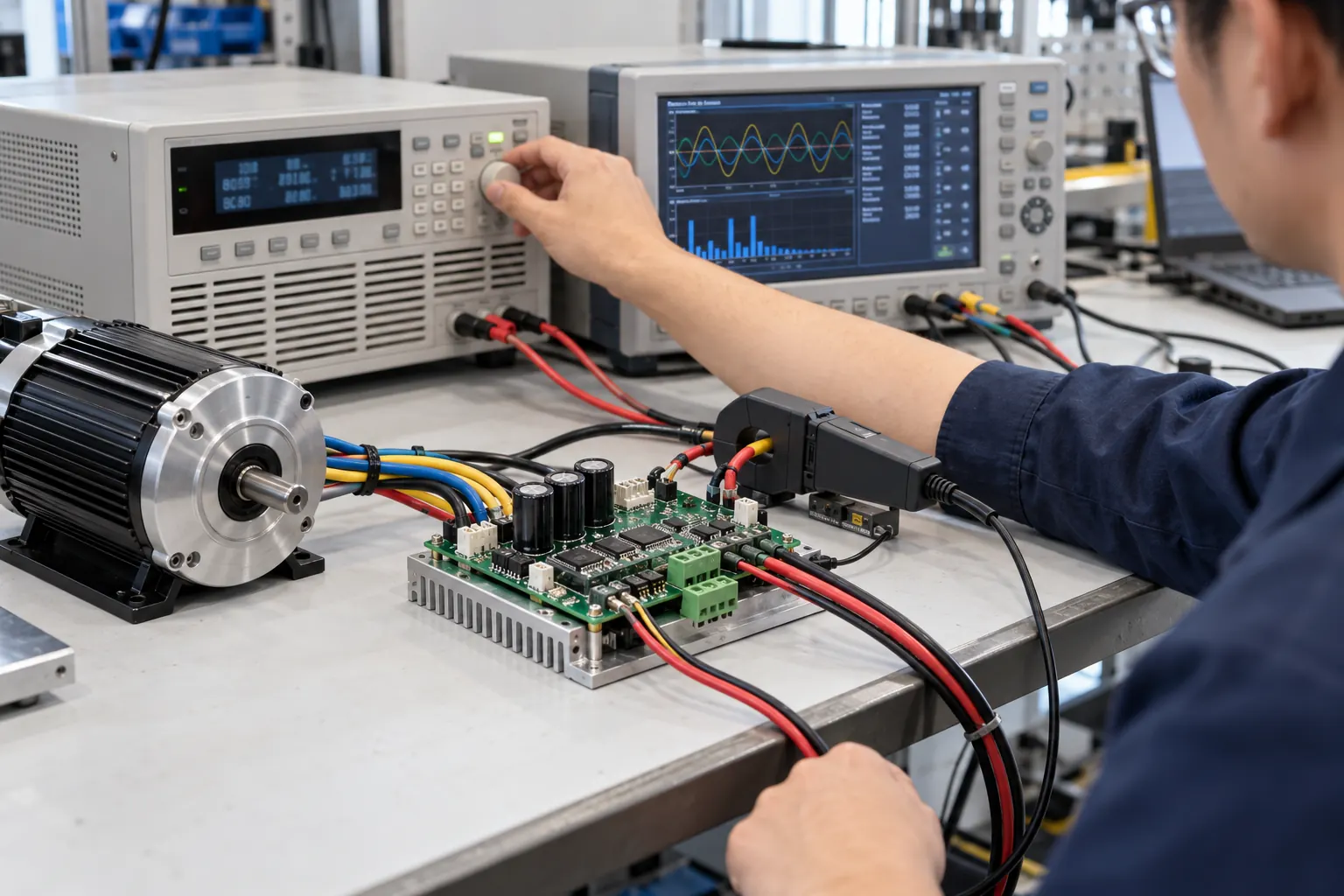
Motor Characteristics and Torque Requirements
Different BLDC motors can have different electrical and operating characteristics. Applications with different mechanical loads may also require different controller behavior and electrical capability.
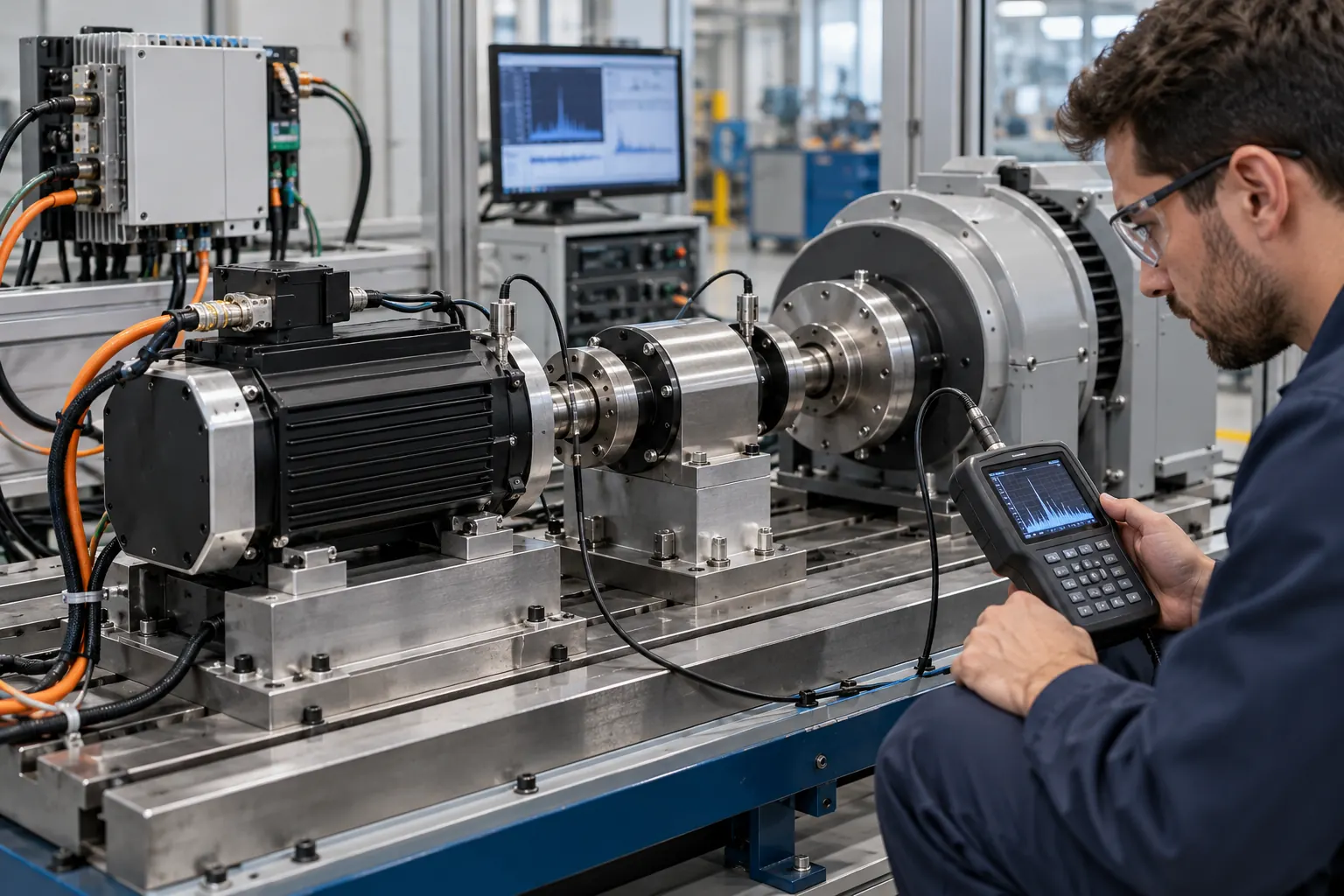
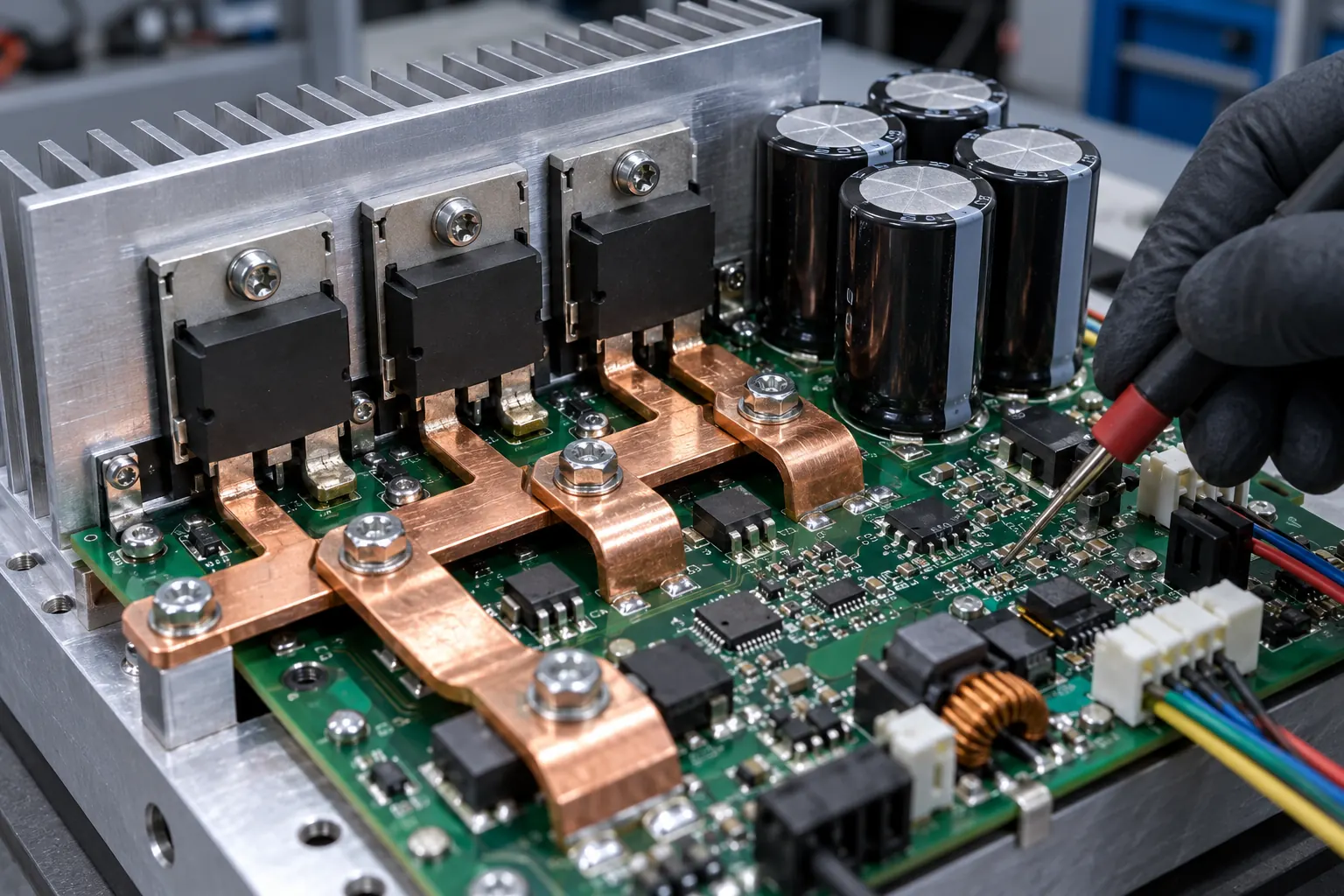
Power-Stage Configuration
Power-stage architecture can be evaluated around voltage, current, power, switching requirements and thermal conditions.
Electrical Protection Requirements
Protection functions can be evaluated according to motor characteristics, equipment architecture, controller design and working environment.
Application Engineering
Different Loads Create Different Electrical Requirements
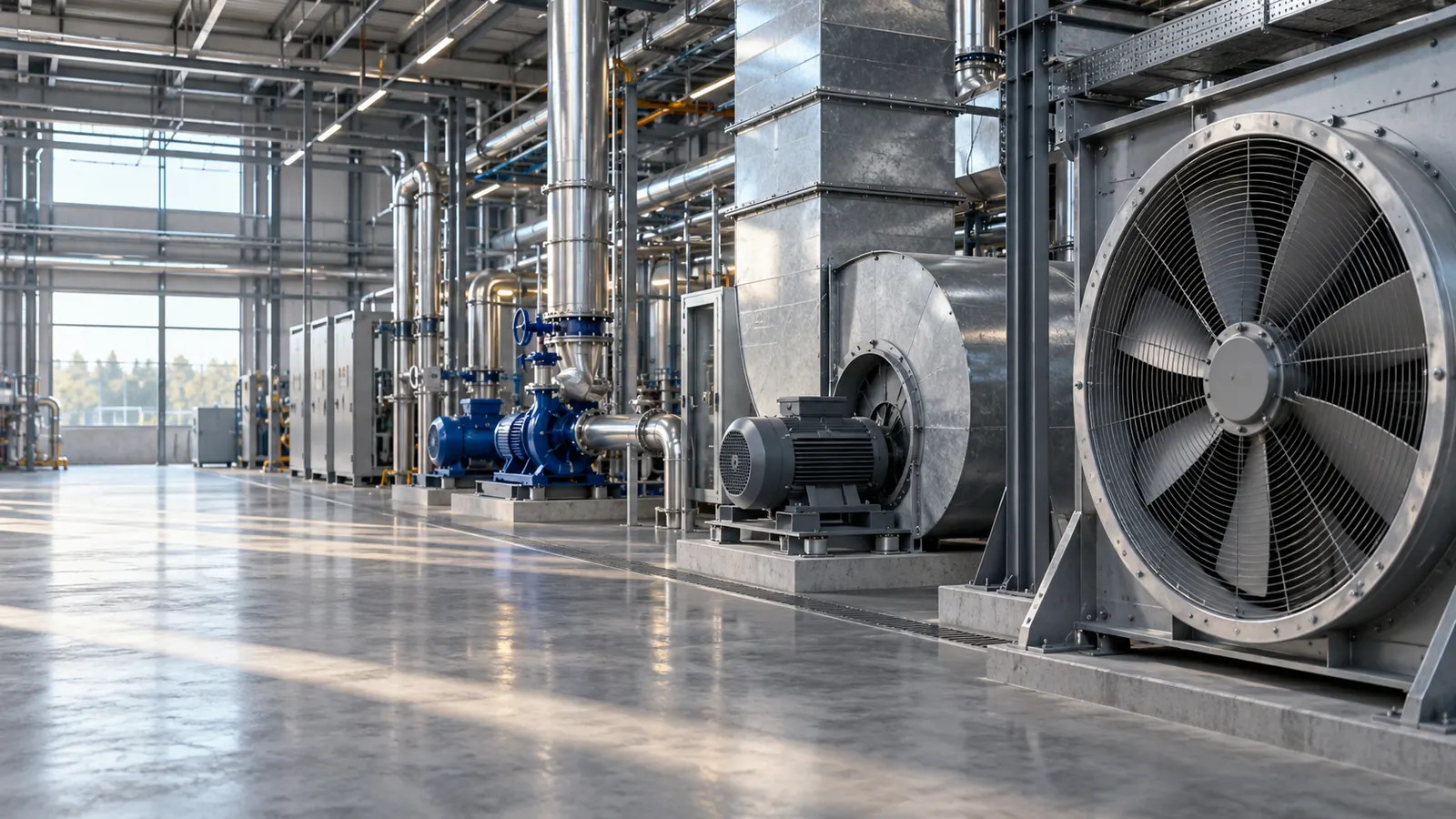
The electrical configuration of a controller depends heavily on what the motor actually drives. Select an application to prefill the inquiry form.
Ventilation Equipment
0.18–5.5 kWAxial fans, negative pressure fans, centrifugal fans, blowers and industrial ventilation systems.
Cooling Fans
15–220 WEnergy storage systems, UPS equipment, power electronics, data centers, communication systems and industrial electronics.
Water Pumps
20–1,000 WIndustrial cooling, water circulation, irrigation, drainage, aquaculture and landscape systems.
Engineering Process
From Motor Data to Electrical Architecture
VIREOMOTOR evaluates electrical requirements through a structured engineering process, beginning with the motor and load before defining controller changes.
Start by reviewing the actual motor data before selecting or changing the controller platform.
Electrical Design Foundation
Electrical Performance Depends on More Than One Component
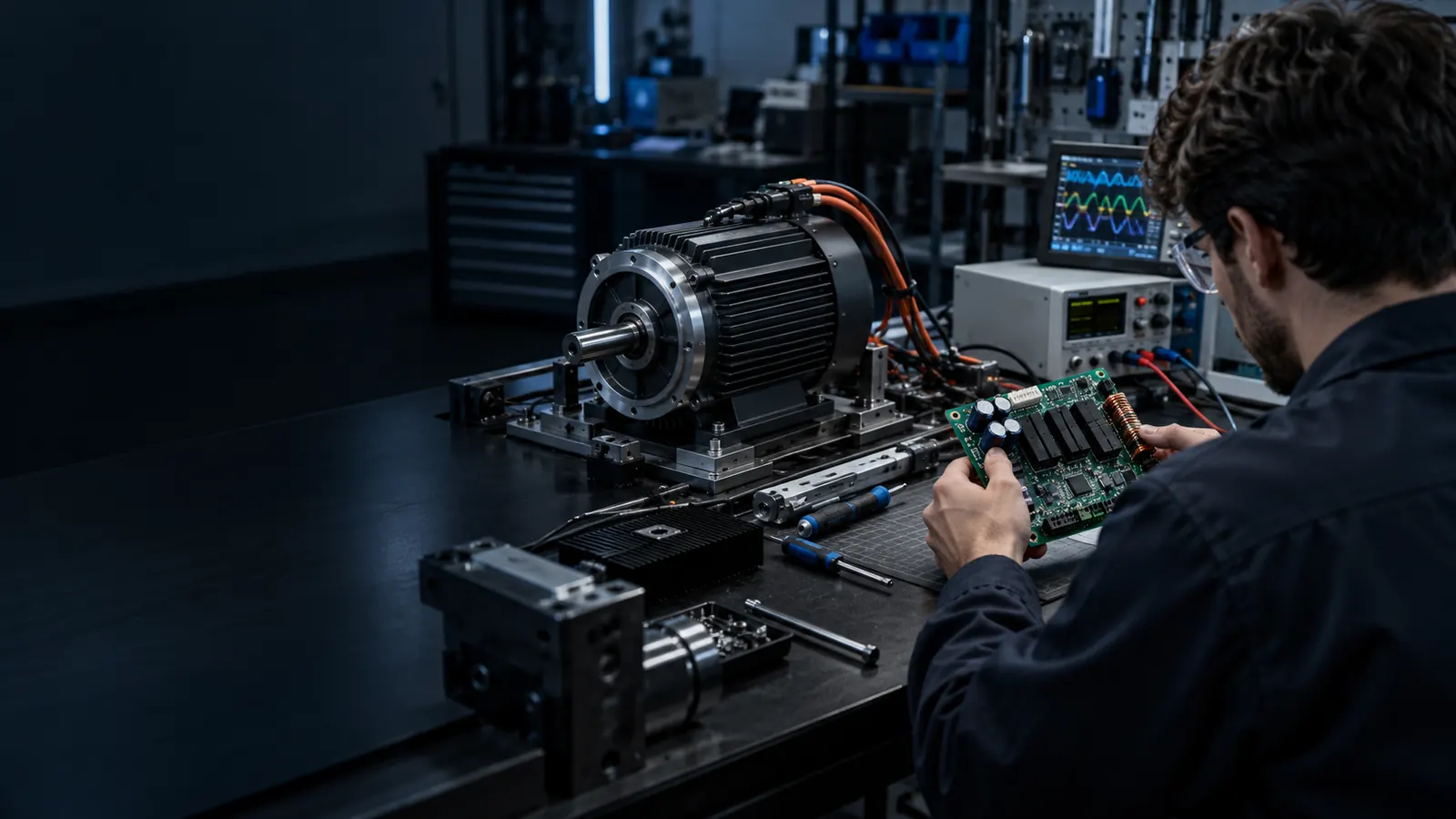
Reliable electrical design requires coordination between the power stage, control electronics, components, PCB structure and thermal environment. VIREOMOTOR maintains in-house hardware engineering and technical cooperation with original component suppliers in areas related to power devices, MCUs and driver solutions.
Power Devices
Evaluate voltage, current, power, switching requirements and thermal conditions together.
MCU Solutions
Support motor-control processing, operating logic, signal processing and protection functions.
Driver Solutions
Driver architecture supports power-stage control and motor-drive operation.
PCB Electrical Architecture
Electrical customization may influence PCB layout, power paths, component arrangement and connectors.
Thermal Management
Power level, current, airflow, installation environment and controller placement should be evaluated together.
Electrical + Thermal Integration
Electrical changes can alter heat generation, so electrical and thermal design should be evaluated together.
Engineering Review
Send Us the Motor Data — We’ll Evaluate the Electrical Fit
For electrical customization, the most useful starting point is complete motor and equipment information. Providing existing controller specifications, drawings and operating conditions helps the engineering team evaluate the project more accurately.